October 28, 2026
4 minutes reading time

Designed to enhance coaching methodologies, establish robust training pathways, and foster sustainable local programmes, these initiatives demonstrate how Member National Associations (MNAs) are leveraging international cooperation to elevate their coaching standards from the ground up.
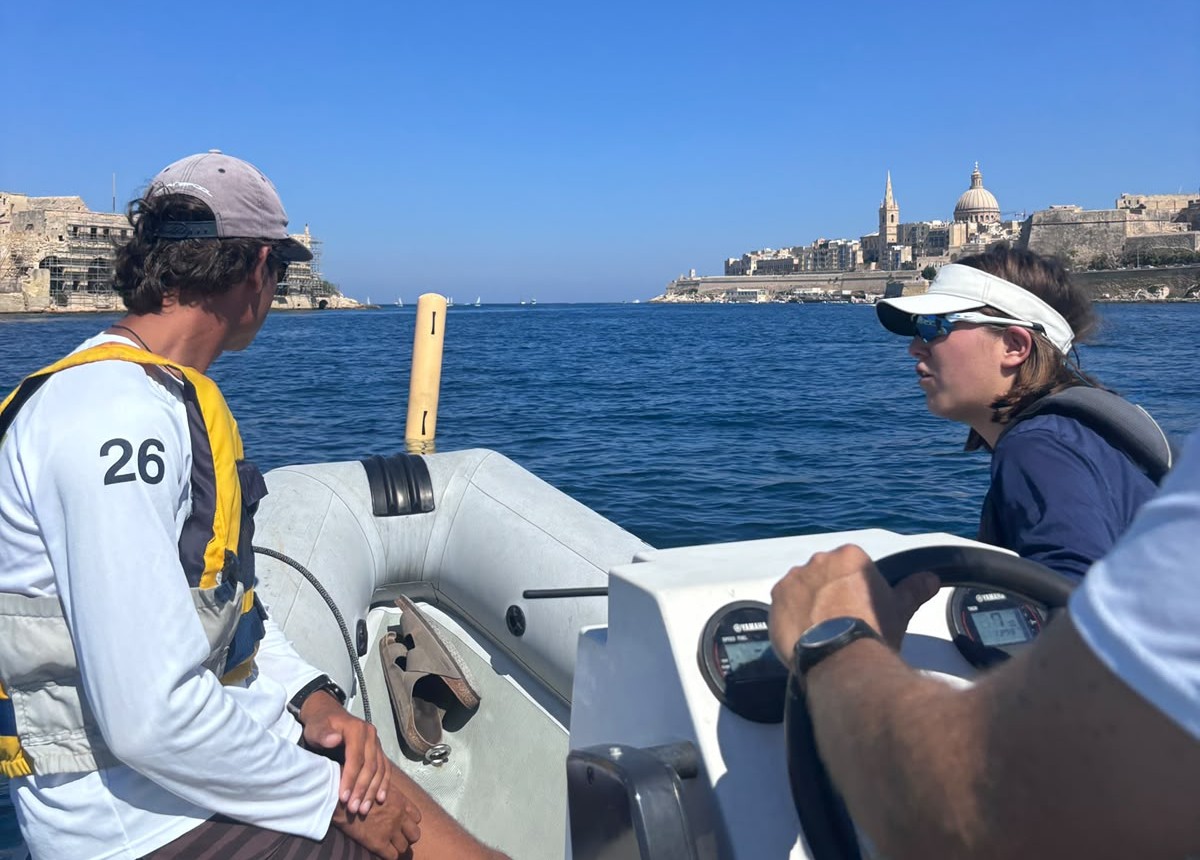
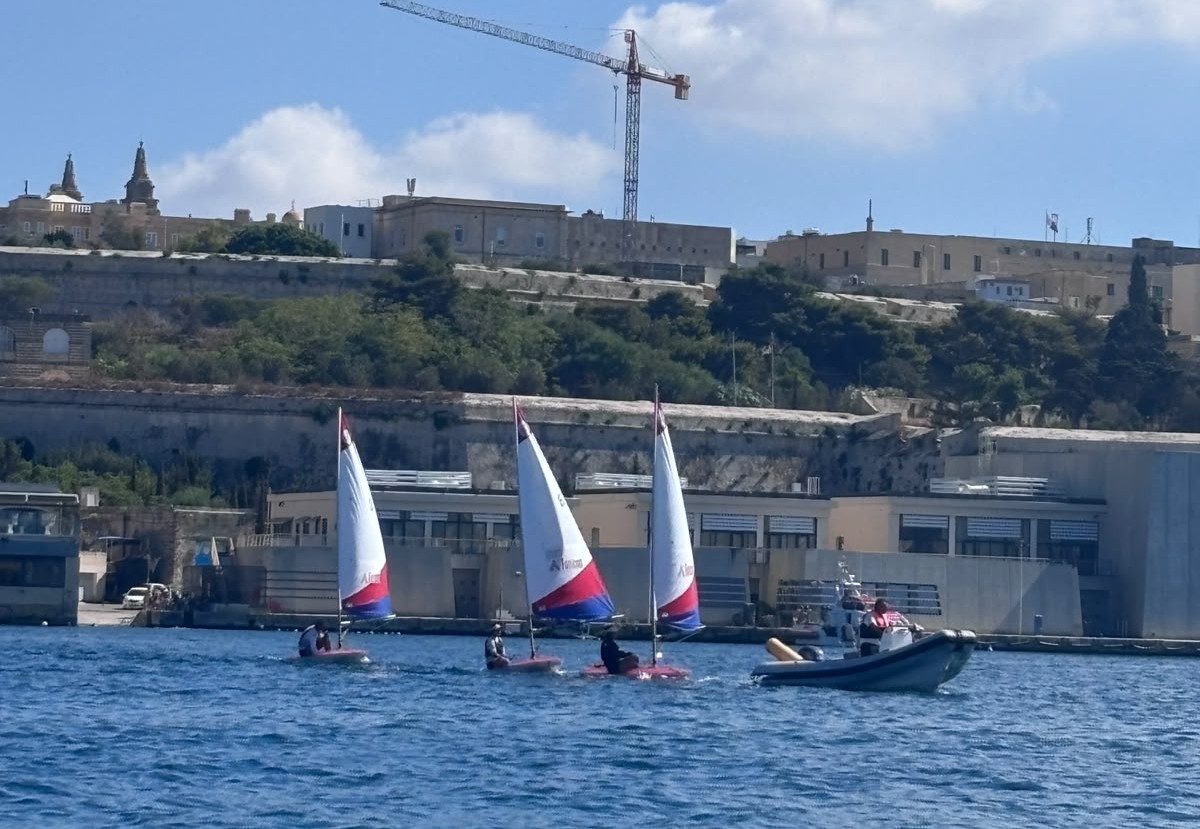
From 7–13 September, the island of Malta played host to a World Sailing Technical Course for Coaches Level 1. Led by World Sailing Coach Developer Tim Cross, the intensive week-long programme brought together 14 enthusiastic participants (nine men and four women) representing a diverse cross-section of the local sailing community as the Maltese Sailing Federation looks to develop the sport ahead of hosting the 2027 Youth Commonwealth Games.
Hosted at Viking Sailing Club in Valletta, the curriculum blended rigorous theoretical study with hands-on, practical water sessions, focusing on essential coaching competencies such as athlete-centred planning, safety proficiency, and effective on-water delivery.
The course also showcased the vital role that volunteer-led clubs play in growing the sport. Through their year-round youth and adult programmes, these clubs provide opportunities for newcomers to learn to sail, develop their skills and progress into competitive racing if they wish.
The commitment demonstrated by the Maltese Sailing Federation and Viking Sailing Club, alongside the efforts of other volunteer sailing clubs across the islands, reflects the strength of the community and the foundations already in place to support the sport’s continued growth.
Tim Cross said, “The recent Olympic Solidarity funded Level 1 Technical Course for Coaches hosted by the Maltese Sailing Federation was a great success, bringing together representatives from five sailing clubs and programmes across Malta and Gozo. It provided an excellent platform for collaboration, allowing clubs, instructors and coaches to share ideas and work towards a common vision for the future of sailing nationally. The course highlighted the strong passion for sailing within the island’s sailing community, as well as its proud heritage of dinghy sailing and racing. The standard of sailing knowledge and technical ability among the participating coaches was particularly impressive, with many having competed at international level across a range of classes, including Optimist and ILCA.”
He added, “As relationships developed and ideas were shared, there was a genuine sense of a united team emerging, committed to improving how sailing is taught, promoted and developed in Malta. This collaboration provides a strong foundation for establishing a national learn-to-sail framework and a more unified approach to promoting the sport, building on the clubs’ existing cooperation in delivering the annual national racing series and other competitive events. There is real excitement about what lies ahead, particularly as the Maltese Sailing Federation looks towards 2027 and Malta’s hosting of the Youth Commonwealth Games, at which sailing will be included for the first time in the history of the games. The Federation will play an integral role in the delivery of the sailing events. This is a significant opportunity to raise the profile of the sport, inspire future generations and build a lasting legacy for sailing across the islands.”
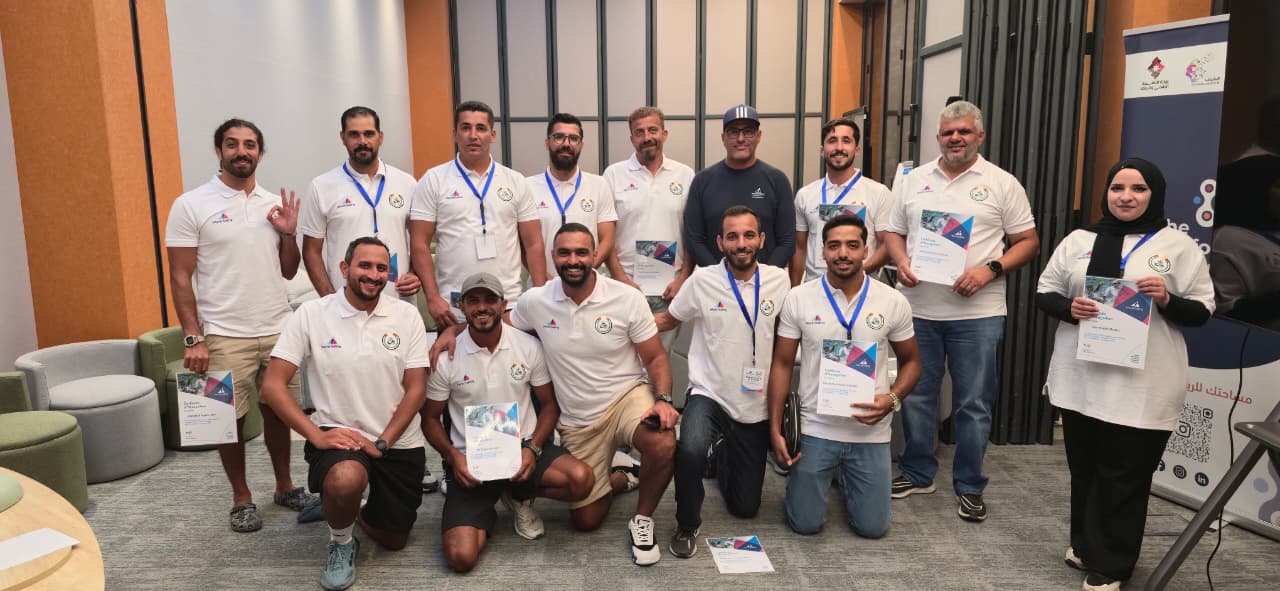
Shortly following the Maltese programme, attention turned to the Middle East. From 25 September to 1 October, Jordan hosted a Level 1 Technical Course for Coaches led by World Sailing Trainer Mohamed Gamal. The course welcomed 15 participants (13 men and two women), marking a significant stride forward for maritime sports development in the country.
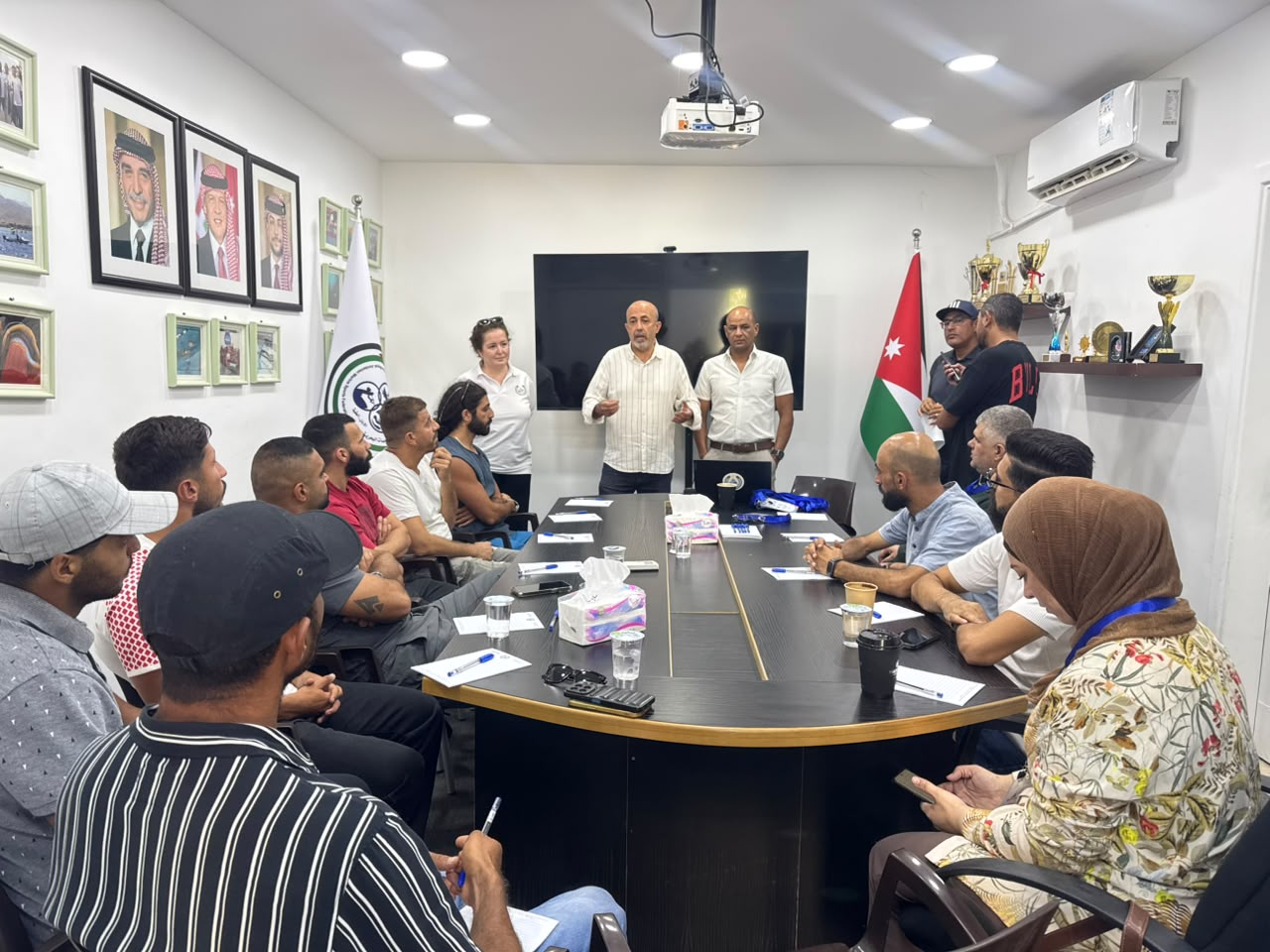
This year’s course builds on the success of a similar course last year with the aim of increasing the pool of sailing instructors. PE teachers recruited from public schools in Aqaba, already possessing coaching backgrounds, had the opportunity to learn the basics of sailing and raise awareness of sailing and marine sports throughout the school system.
World Sailing Coach Developer Mohamed Gamal reflected on the success of the programme, commenting, “The course in Jordan was a very positive and valuable experience. It was an important step towards developing sailing in the country by improving coaches’ knowledge and practical skills, while also creating a strong foundation for the future development of the sport. I believe that investing in coach education is essential for increasing participation, identifying young talent, and building sustainable sailing programmes. There is also great potential to encourage more women to become coaches and sailors, support sailing clubs, and establish new training centres.
“With continued support from World Sailing and the MNA, I am confident that Jordan can make significant progress and that this course can serve as a model for developing sailing in other countries across the region.”
The success of these programmes in Malta and Jordan highlights the profound impact that structured coach education can have on national sailing communities. The number of technical courses World Sailing delivers each year is driven directly by MNA applications submitted through the International Olympic Committee’s (IOC) Olympic Solidarity funding programme.
If your MNA is looking to enhance local coaching competencies, expand training centres, and build a sustainable pathway for the future of sailing in your country, we encourage you to explore the possibilities of hosting a course.
To learn more about the programmes, courses and scholarships, as well as funding options, and the step-by-step application process, please visit the World Sailing website. A complete TCC Organisational Guidebook is also available to download.