October 22, 2026
7 minutes reading time

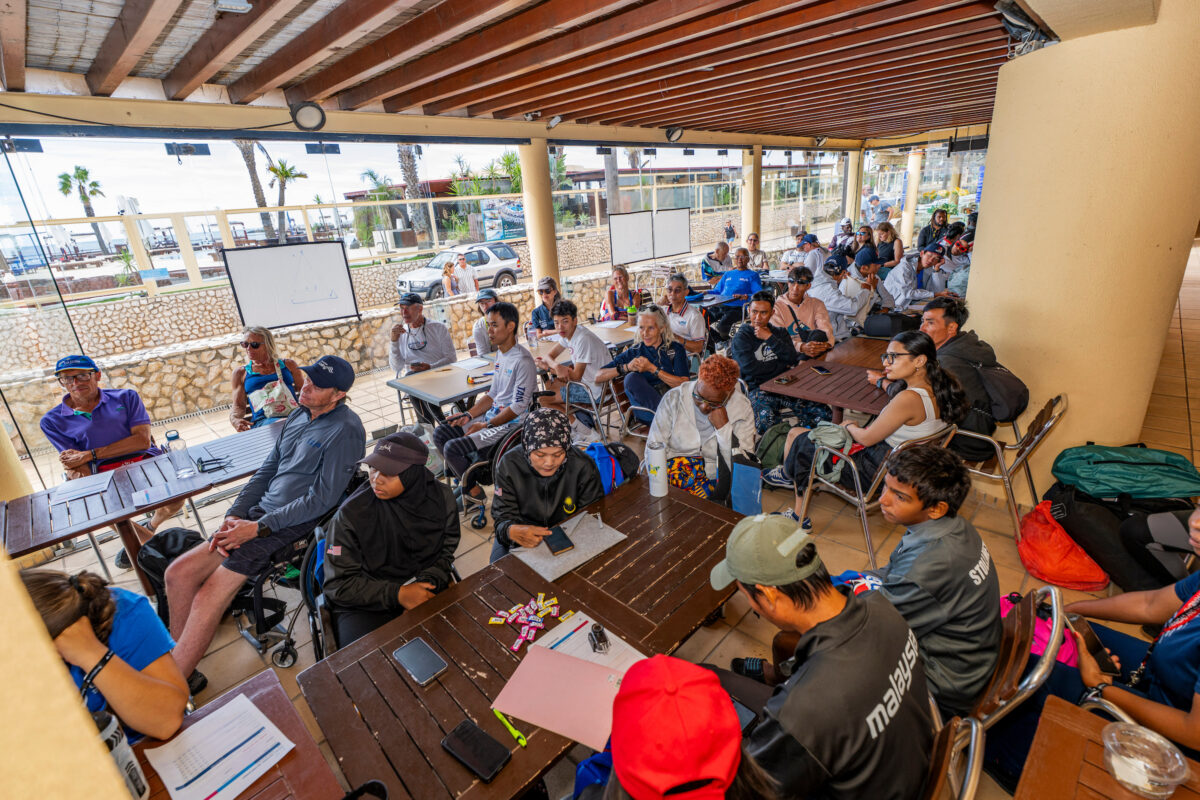
The event also showed just how far the Inclusive Development Programme (IDP) has come. What began as the Para Development Programme (PDP), originally created by Dan Jaspers, has evolved into a much broader international development pathway. Building on those foundations, the IDP has evolved and expanded to connect Foundation and Performance coaching, specialist education, national programme development and meaningful opportunities for international competition.
Seeing that vision come together in Portimão, with Dan once again part of the coaching team, was particularly special. It was a reminder of how far the programme has come, but also an example of what is possible.
Ahead of the Championships, 44 participants joined World Sailing’s three-day IDP, bringing together sailors, coaches and support personnel for a combination of practical coaching, specialist education and shared learning.
But perhaps the most important part of the programme was that the support did not end after those three days. By delivering the IDP directly alongside the championship, World Sailing created a connected experience where development led immediately into international competition, with continued guidance and encouragement for those who needed it most.
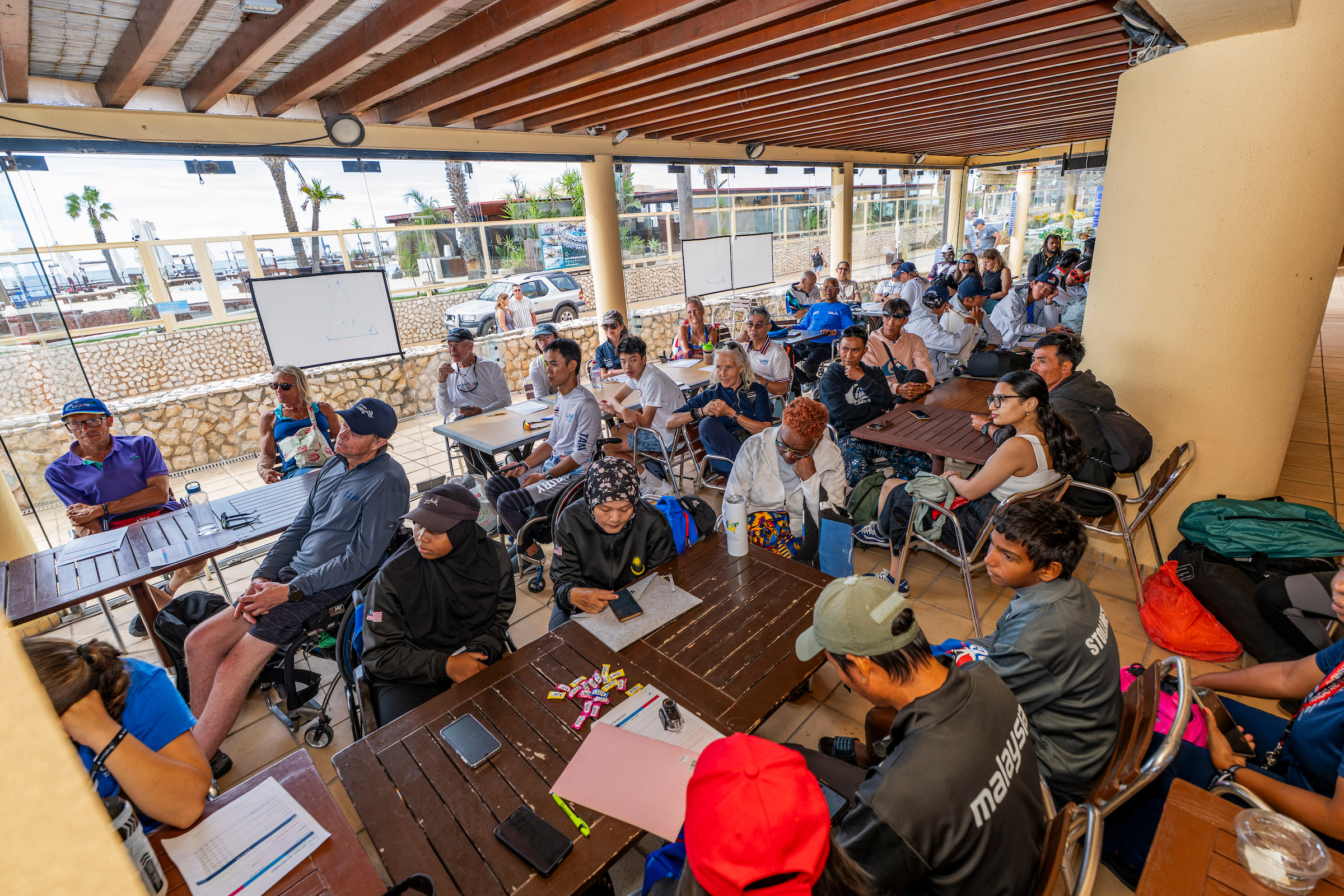
The five-strong international coaching team brought a fantastic mix of experience, specialist knowledge and enthusiasm to the programme.
Dan Jaspers (GER) led the Foundation-level coaching and wider national programme development, working with emerging nations to build sailors’ skills and confidence while supporting countries to establish and strengthen their own Para Inclusive Sailing programmes.
As the creator of the original PDP, Dan established the foundations on which today’s IDP has been built. Having him contribute his experience and expertise to the expanded programme brought that journey full circle, combining the original vision for Para sailing development with the wider opportunities we are now creating.
Simon Rosier (AUS) and Grant Anderson (AUS) focused on Performance-level coaching, working with sailors to refine their racing skills, techniques and preparation for the Championships.
Logan Bell (GBR) was able to continue his development as an apprentice coach, taking the lead in supporting sailors competing in the Intellectual Impairment (II) and Cognitive Impairment (CI) disciplines.
Meanwhile, Guillaume Colin (FRA) led our Para Wing coaching, supporting sailors in one of our newest and most exciting developing disciplines.
Importantly, coaching support did not end when the IDP finished. The relationships established during the programme continued throughout the Championships, with coaches remaining available to offer guidance, encouragement and practical support, particularly to emerging nations and sailors who have travelled without their own dedicated coaching teams.
For many, access to an experienced international coach is a rare opportunity. Having someone available to discuss race preparation, reflect on performance, answer questions or simply offer reassurance can make an enormous difference to their championship experience.
By connecting structured development directly with international competition, we help sailors apply what they’ve learned, build confidence in a competitive environment, and gain the experience needed to take their next steps.
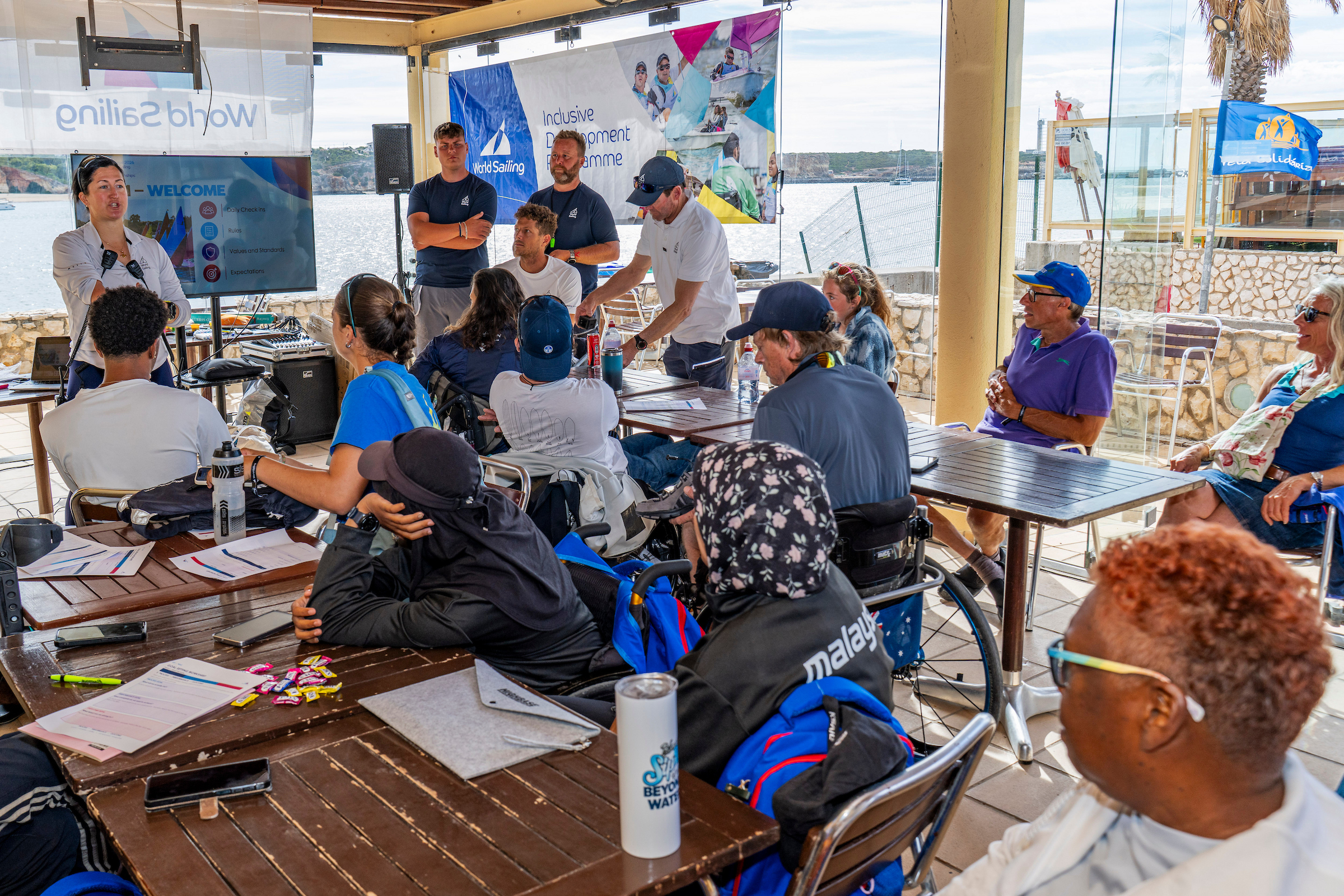
One of the most exciting aspects of this year’s programme was the connection with the Challenger Class, whose support helped create opportunities for emerging nations, including India, South Africa and Trinidad and Tobago.
By bringing the Challenger fleet into the Championships and connecting sailors directly with equipment, coaching and international racing, we were able to turn development opportunities into meaningful participation.
Generous support from FoilDrive provided four units for the Para Wing sailors to continue practising and developing their skills during lighter wind conditions. This was a fantastic addition to the programme, giving participants more valuable time on the water and demonstrating how innovative equipment and technology can help overcome some of the challenges associated with developing new Para sailing disciplines.
For Para Wing in particular, where equipment adaptation, accessibility and time on the water are so important, partnerships like this provide exciting opportunities to explore new approaches to training and participation.
Seeing emerging nations take that step, supported by established international class communities and innovative equipment partners, is an excellent example of inclusion in action and demonstrates the importance of working together to remove barriers to participation.
Importantly, the IDP was not just about improving performance on the water. It also brought together an diverse group of specialists to support the wider education and development of the sailors, coaches and national teams.
Helen McKenzie, World Sailing’s Head of Classification, delivered classification education, helping participants better understand the process of classification, as well as the upcoming changes to World Sailing’s rules of classification in line with the IPC Code and its importance in ensuring fair and equitable competition.
Gillian Sanders OLY, World Sailing Integrity Manager, led anti-doping education, reinforcing the importance of clean sport and athlete responsibility.
The event also welcomed Iris Brettschneider from Special Olympics, who delivered specialist education on coaching athletes with intellectual and cognitive impairments. The session provided valuable insight into adapting coaching approaches, understanding individual learning needs and creating positive, accessible training environments that allow every sailor to develop and succeed.
Importantly, the session also highlighted the exciting new partnership between World Sailing and Special Olympics, exploring how the two organisations can work together to expand opportunities, share expertise and strengthen pathways for athletes with intellectual disabilities.
This collaboration represents another important step forward for Para Inclusive Sailing, connecting specialist knowledge with practical development and creating opportunities to build a more inclusive future for our sport.
The international officials played an equally important role. Lynne Beal, Chair of the International Jury, delivered specialised racing rules education, while Manuel Huensch, Chief Umpire, led a dedicated session on visually impaired (VI) umpired fleet racing, providing insight into this developing format and its application within international competition.
These sessions are a vital part of the IDP. Developing confident sailors also means helping them understand the rules, systems and responsibilities that underpin international sport, while building the knowledge and capacity of the national programmes supporting them.
Another important part of the success of this year’s programme was the impact of World Sailing’s America’s Cup funding, which helped reduce the financial barriers facing emerging nations.
International participation remains a significant challenge for many sailors, particularly those travelling with specialist equipment or requiring additional support. Targeted funding can make the difference between watching a championship from home and being on the starting line representing your country.
By connecting financial assistance directly with the IDP and the World Sailing Inclusion Championships, we were able to provide much more than support to attend an event. Sailors gained access to international coaching, specialist education, equipment, a global network of experienced sailors and officials, and the opportunity to compete at the highest level.
This connection between development and competition is particularly important for nations where access to regular coaching and structured Para Inclusive Sailing programmes remains limited.
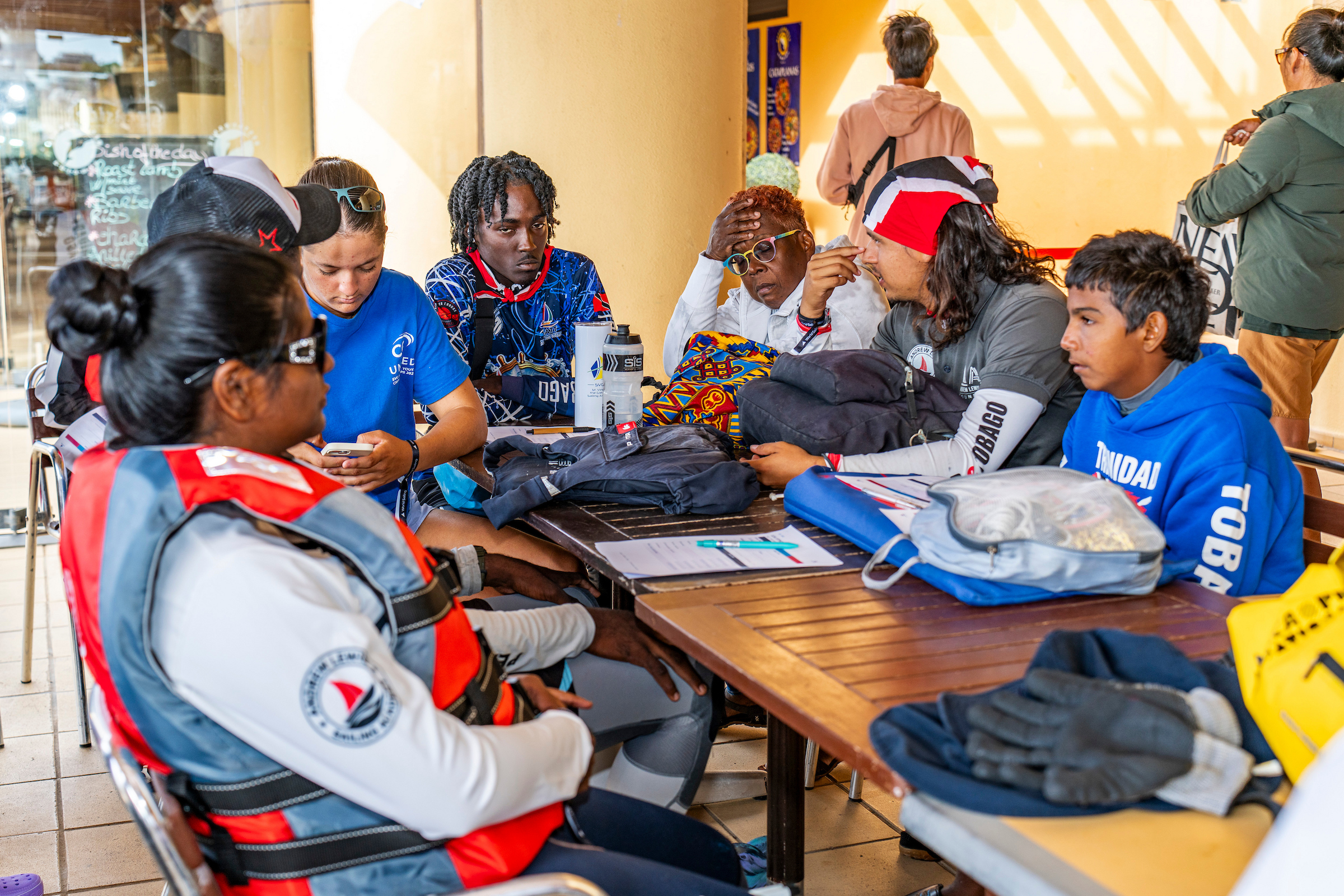
One of the most rewarding aspects of the 2026 World Sailing Inclusion Championships was seeing the connection between the development work delivered throughout the year and the nations now competing on the international stage.
From Foundation programmes in Antigua and India to the Performance-focused IDP in Portimão, these pathways are beginning to come together. Sailors who have benefited from regional development opportunities are now progressing into international competition, while national programmes are gaining the knowledge, confidence and experience needed to support their continued growth.
Portimão demonstrated what is possible when international classes, coaches, officials, funding partners and emerging nations come together with a shared ambition. The enthusiasm, determination and sense of community throughout the programme were fantastic, and seeing that translate directly into participation in Portugal was incredibly rewarding for all involved.
Looking ahead to 2027 and beyond, the focus is on building on this momentum, continuing to support emerging nations and ensuring that the opportunities created in Portimão lead to lasting growth.
Because the real success of an IDP is not simply what happens during those three days. It is what sailors, coaches and nations go on to achieve because of them.