October 9, 2026
3 minutes reading time

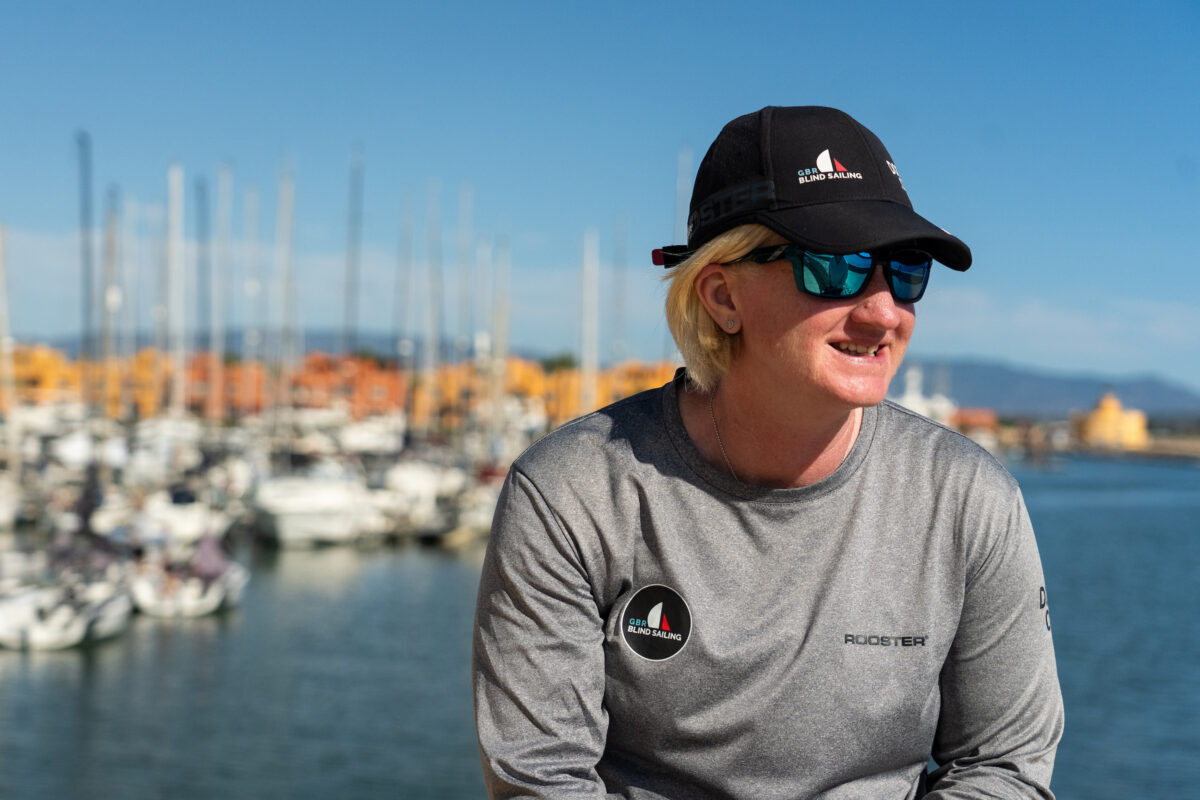
Few arenas demonstrate this triumph of human resilience better than Visually Impaired sailing. Far from being a sport reliant solely on eyesight, VI sailing transforms water, wind, and communication into a masterclass of instinct, teamwork, and empowerment.
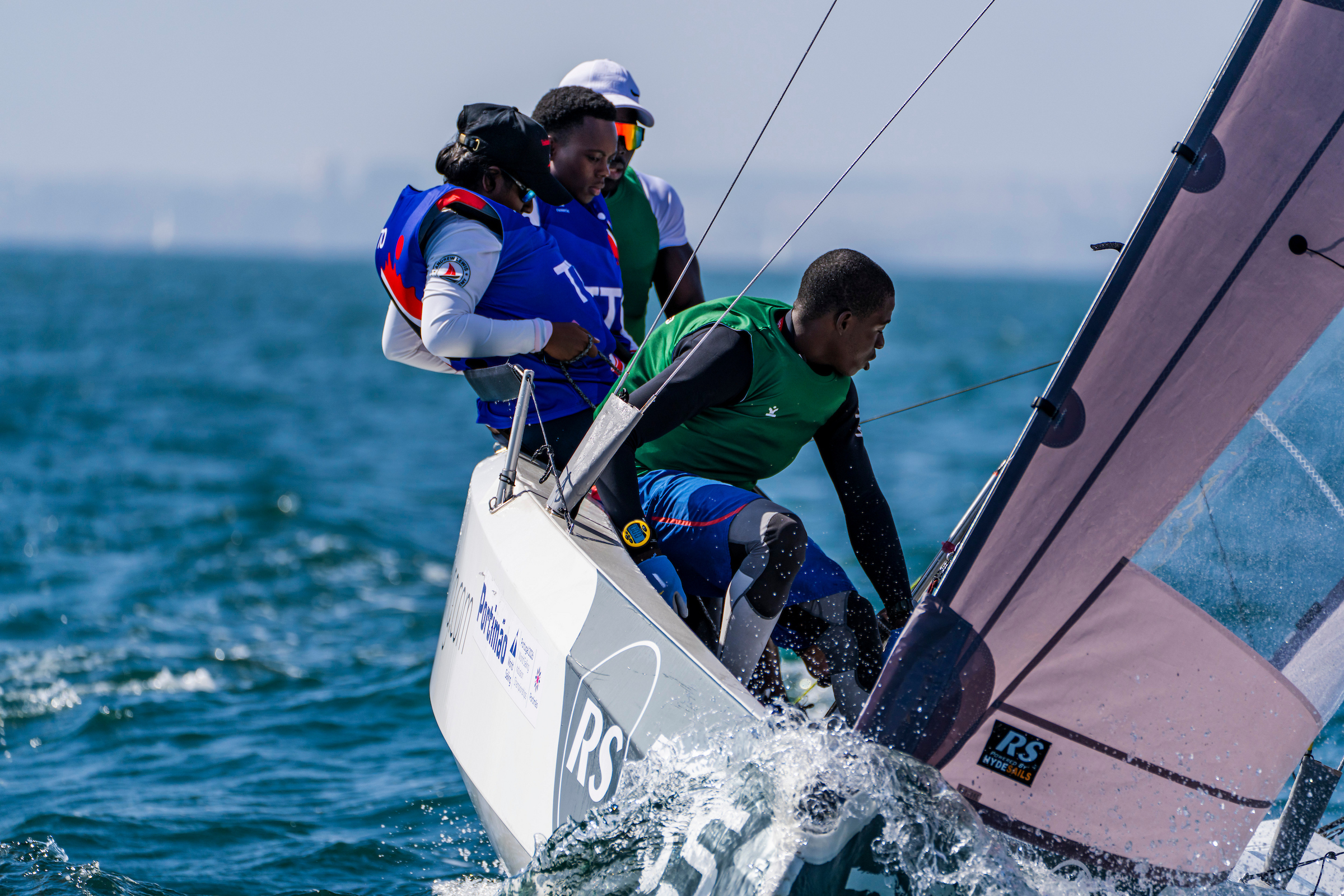
When taking the helm without sight, tactile and auditory senses take centre stage. For sailors like Jaidon Vincent and Shannon Madar, currently representing Trinidad and Tobago at the 2026 World Sailing Inclusion Championships, the water becomes a complete sensory landscape.
“Feel is a very critical thing when it comes to sailing. You feel the shifts of the wind, the waves, and the way the boat leans… The sound of the water as well can give you very important indicators as to whether your rudder is cantered,” says Jaidon Vincent, Helmsman.
For Shannon, who controls the mainsheet and has been blind from birth, sailing offers an avenue of thrilling independence that land-based obstacles often deny. Unable to drive a car or ride a motorcycle, getting out on the water delivers that same speed and adrenaline. Asked whether navigating the seas without vision is an insurmountable obstacle, Shannon’s response is swift: “Totally overrated.”
Hodges, leading her division in the Visual Impairment competition after day four of racing, echoes this deep physical intuition.
“I’ve always made myself one with the boat,” Hodges explains, “being able to feel the speed, being able to feel when we’re choked, knowing I’m on the breeze without sight.”
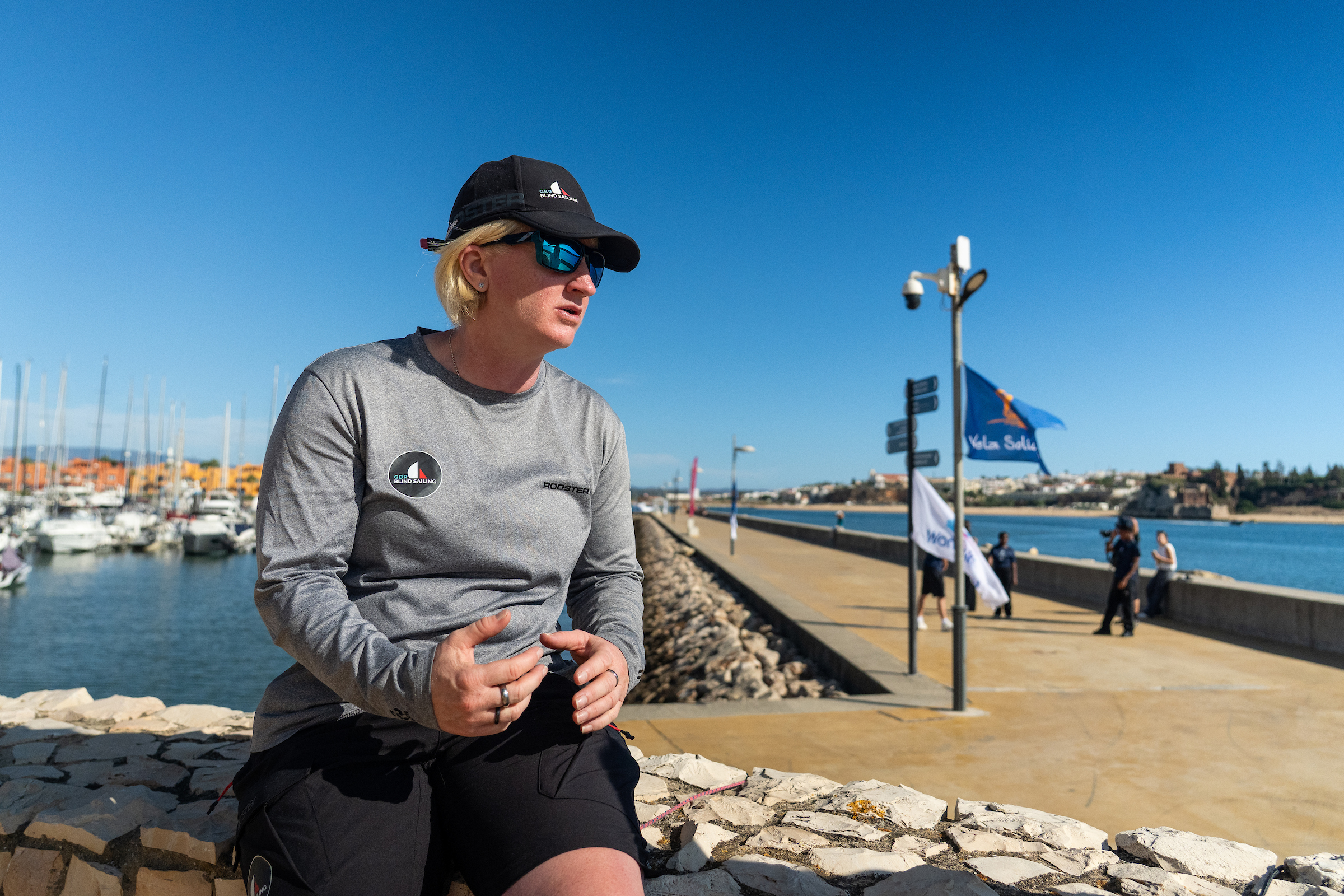
Whether navigating light patchy winds or 14-knot gusts tossing boats over large swells, VI sailing relies heavily on absolute trust and concise communication.
Sighted guides provide vital spatial awareness, preventing collisions with obstacles or alerting the crew to upcoming race marks, while VI sailors maintain the helm or trim the sails through sheer feel and precise boat mechanics. As Hodges emphasises, “A boat, if it’s got four people on it and one person doesn’t do their job, it doesn’t go very quick.” It is an authentic partnership where no single individual carries the boat alone.
Beyond the tactical demands of racing, adaptive sailing provides a vital community both on and off the water.
Visually impaired sailors often find crowded, noisy event venues just as challenging as high-wind racing. Finding friends or connecting with rival teams requires mutual support, shared evening gatherings, and a deliberate effort to keep international sailors linked.
Experienced competitors like Hodges actively dedicate time to supporting emerging nations —such as Hong Kong, China, Japan, the USA, and Trinidad and Tobago, all of whom are present in Portugal, ensuring boats are rigged correctly, teams are trained, and participation grows worldwide.
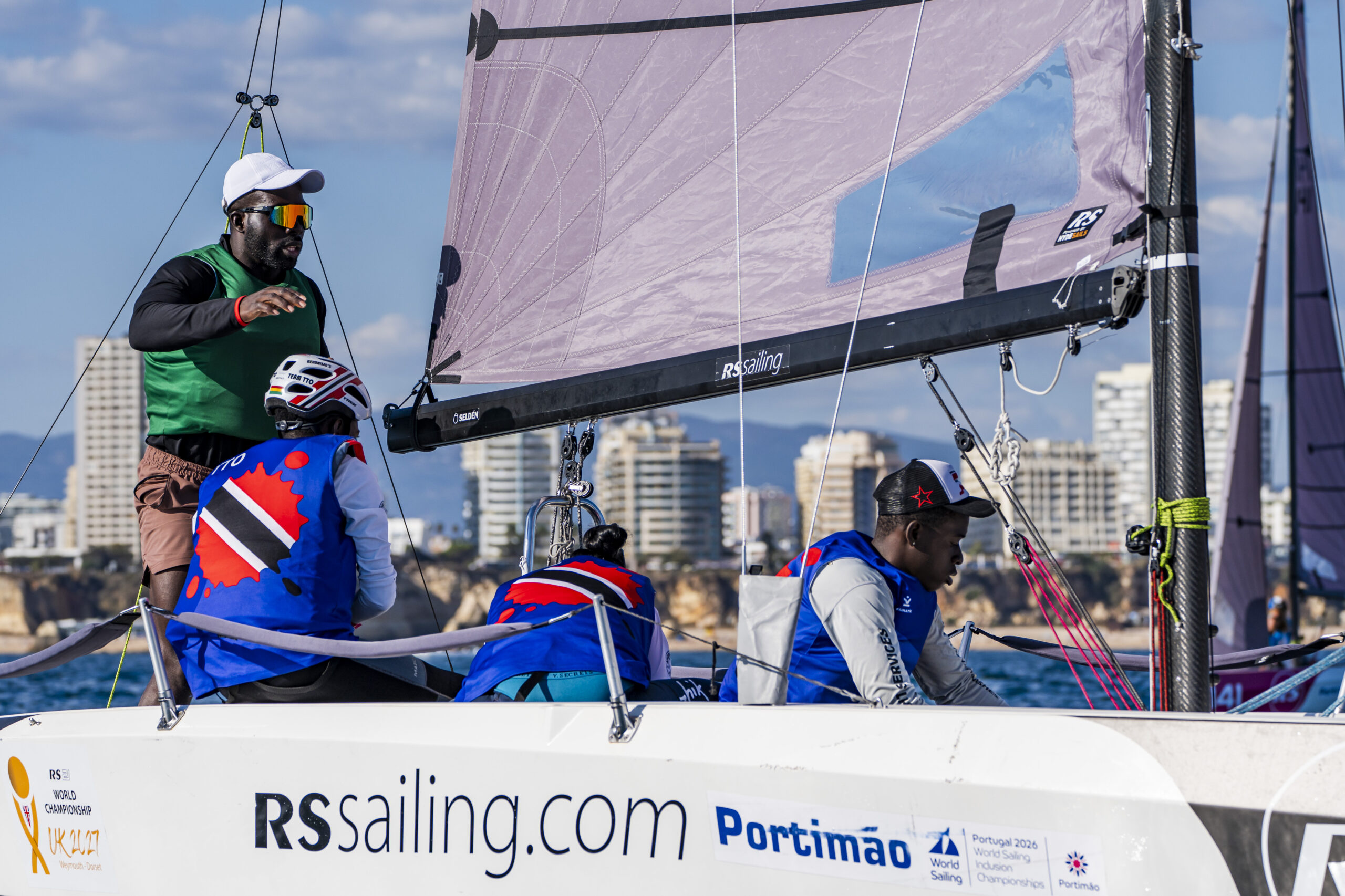
For emerging teams like Trinidad and Tobago, stepping onto the international stage challenges outdated perceptions back home.
Vincent adds, “Generally, there is a perception that disabled people should be coddled and not really be involved in physical activity. And that isn’t true. To be here in sailing… it feels empowering to be able to – as we would say at home – mash up the glass ceiling!”
As World Sailing expands initiatives like the Inclusive Development Programme (IDP), the broader movement continues to push for Para Inclusive Sailing’s reinstatement to the Paralympic Games.
By building grassroots participation across new countries and sailing clubs, the adaptive sailing community is constructing a foundation that proves how dynamic, competitive, and essential the sport truly is.
On World Sight Day, the message from the water is clear: while eye healthcare and preventative checks remain vital, sight loss does not limit ambition. Through sport, community, and the thrill of the wind, visually impaired sailors continue to prove that freedom on the water knows no boundaries.