October 8, 2026
3 minutes reading time

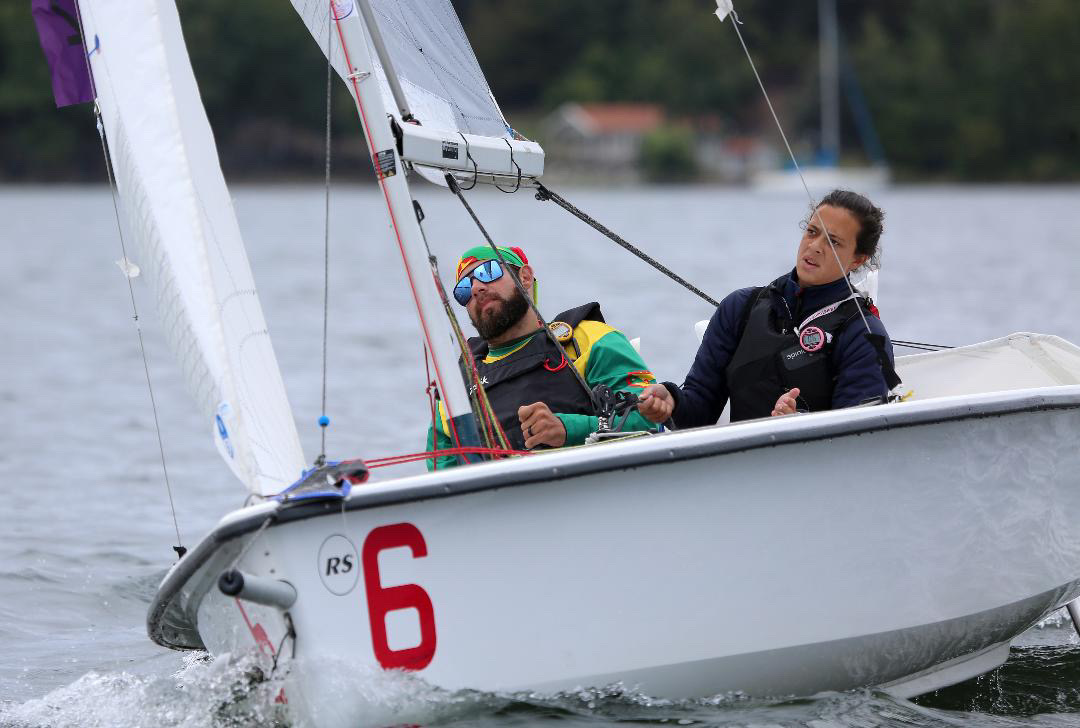
Leaving the tiny Cornish harbour with a heavily reefed sail and a token triangle, hiking out into the cold spray while unable to feel her hands, she found herself grinning from ear to ear.
“I think for me then it was the sheer exhilaration,” Turner recalls. “But it was also more to do with finally being in charge of something – of being totally independent. It’s always been at its core about freedom. When I’m out there, no one can tell me what to do or where to go.”
That fundamental drive for autonomy would become the bedrock of her journey as a British sailor, and the guiding force through the darkest chapter of her life.
As Turner’s life evolved and her disability progressed, her bond with sailing remained unshakable. While the mechanics of accessing the water shifted, the challenge of mastering new equipment and the raw joy of the sport stayed constant.
Then came December 2023. Turner was handed a terminal diagnosis and given an estimated six months to live.
As that six-month threshold approached, she was confronted with a daunting question: How do you live when you don’t know how long you have left?
“For me, I still don’t have the answer,” she says. “But it led to another question: what did I want to achieve if I could only do one thing? The answer was simple: to sail around the world.”
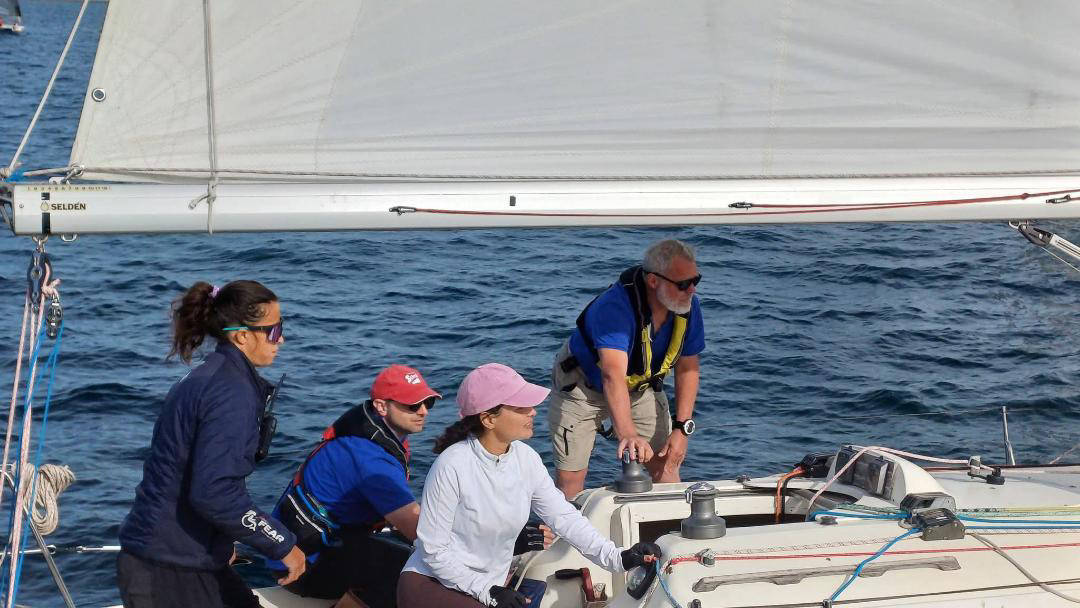
While a full circumnavigation proved financially out of reach at the time, Turner adapted, setting her sights on a daunting alternative: sailing around the UK and Ireland.
Project FEAR was born.
Completing the epic voyage was an extraordinary physical and mental triumph, but its true impact ran much deeper. “Completing it was more about realising I was capable of even more than I let myself believe,” Turner reflects. “It showed to me, and the world, really, that with a bit of imagination and a lot of hard work, anything is possible.”
Today, Turner refuses to slow down. Driven by a desire to challenge preconceptions surrounding disability, she keeps her gaze fixed firmly on the horizon.
“I will never stop pushing and dreaming,” she says. “What drives me is a constant desire to prove to the world that you don’t have to be defined by your disability or other people’s expectations. Growing up, I struggled to find a role model. I hope I can be what I needed when I was a kid.”
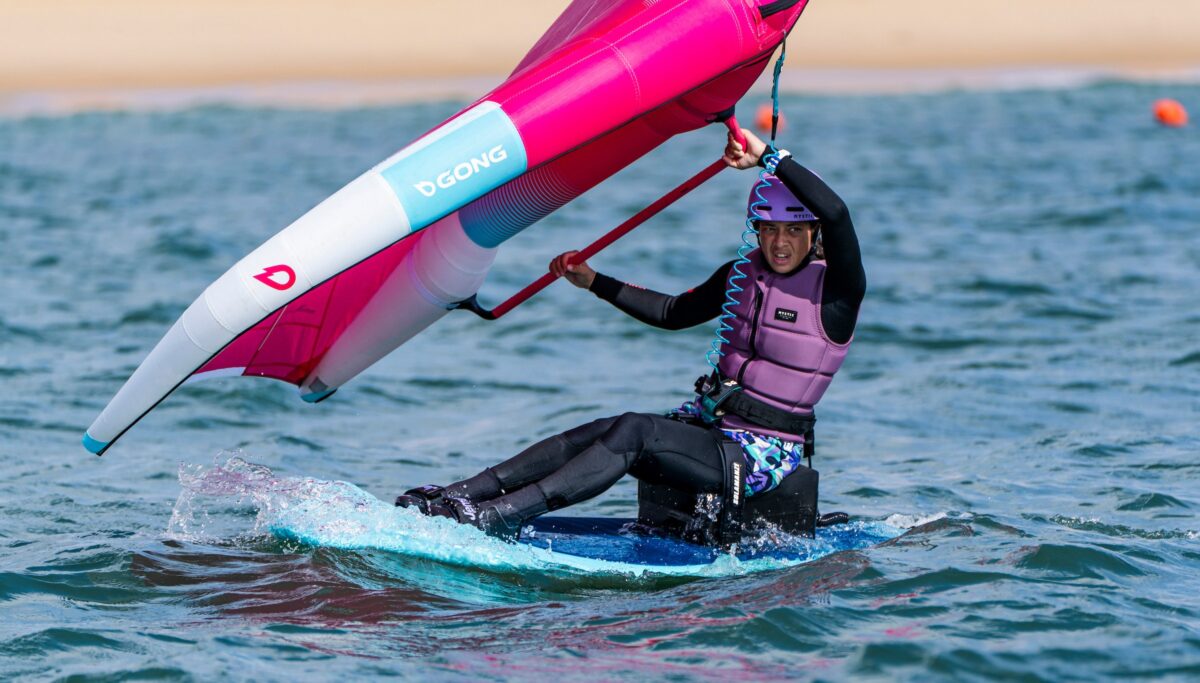
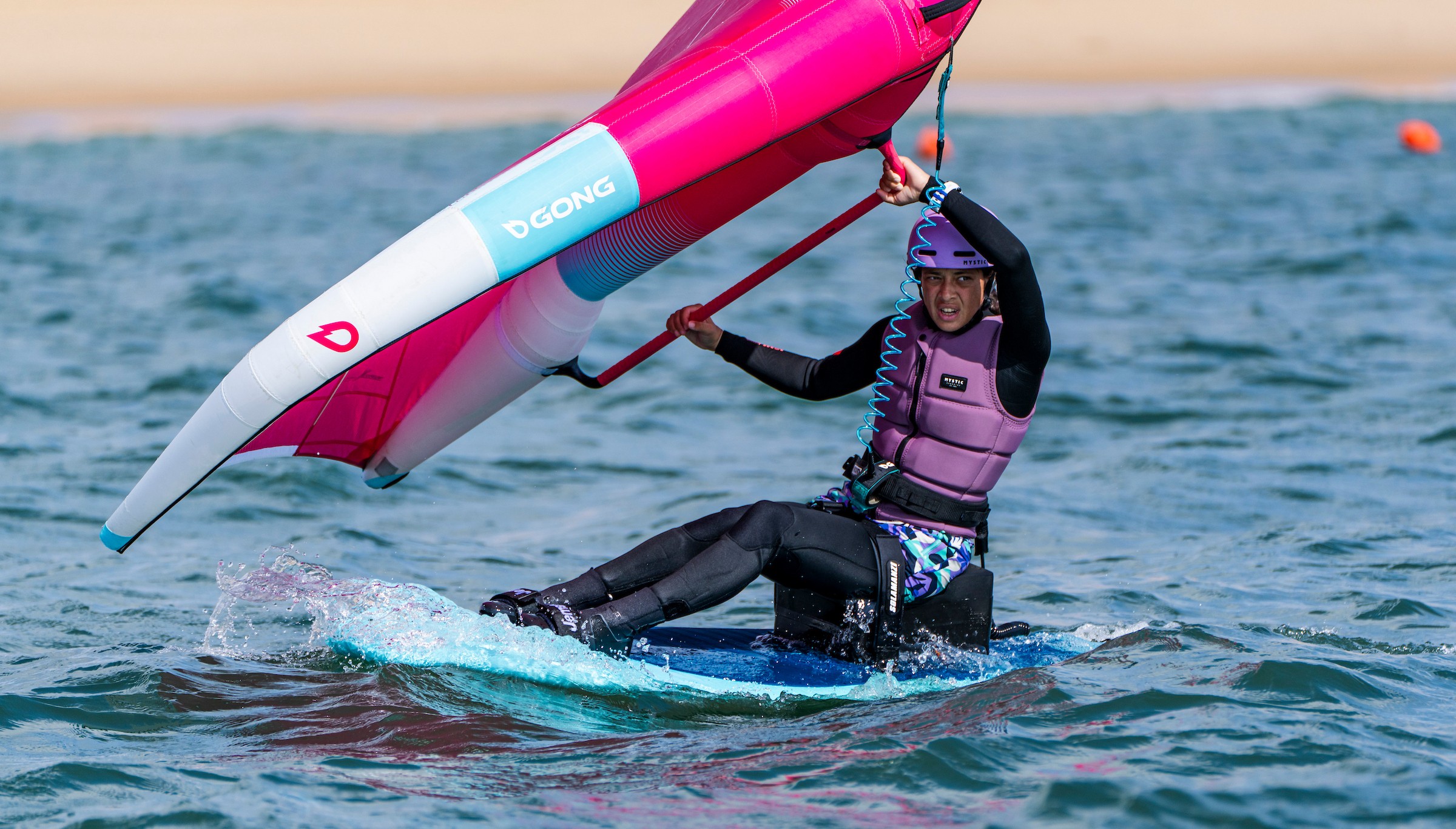
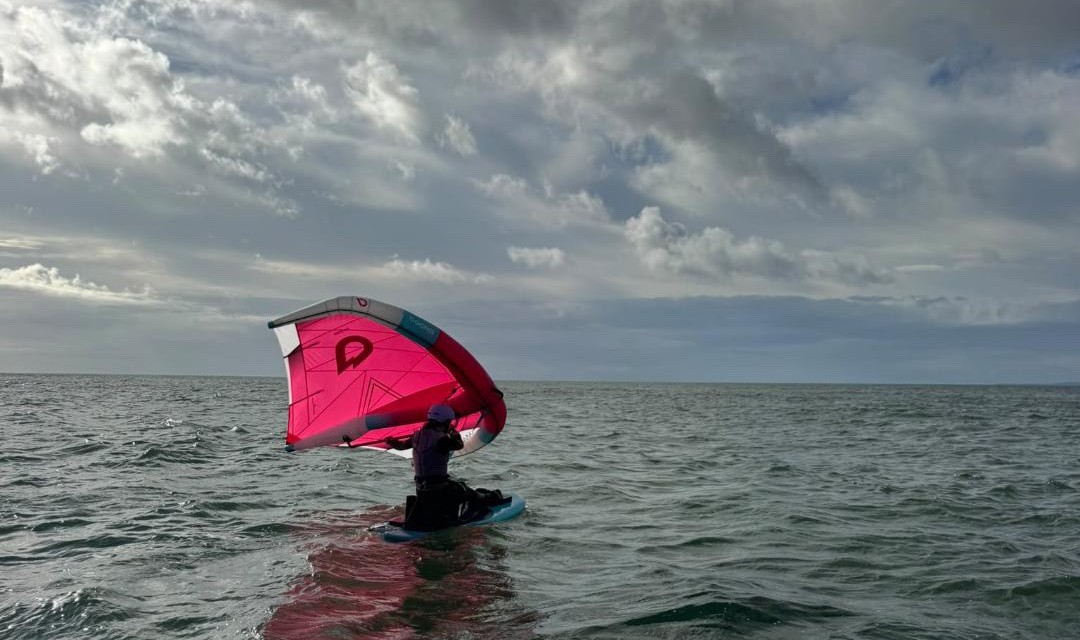
Her next immediate challenge takes her to Portugal for the 2026 World Sailing Inclusion Championships, where she is competing in the emerging discipline of seated wingfoiling. Having only ever met one other person who practices the sport, Turner is eager to immerse herself in the international community.
“I’m looking forward to really picking their brains and learning from the other competitors to improve myself,” she says.
Turner is a passionate advocate for World Sailing’s strategy to expand adaptive disciplines, viewing accessibility not as a concession, but as the essence of the sport.
“At its very basic, sailing is for everyone,” she emphasises. “Everyone should be allowed access to the water regardless of gender, background, or disability. The strategy ensures everyone gets access, showcasing our sport as the only one where people with varying disabilities and conditions can all compete on the same race course.”
Looking further ahead, Turner holds on to a goal shared by adaptive sailors worldwide: seeing sailing reinstated in the Paralympic Games.
“Competing at a Paralympics will never not be the dream. It is the pinnacle showcase, and I would love to be on that stage fighting for a medal for my country,” Turner says.
“Sailing itself being reincluded would be a massive win for everyone across the sport, from the beginner who sees it on TV for the first time, to the grassroots programmes that struggle with funding. It would reward the athletes at the top who fight so hard to compete by giving them the platform they truly deserve.”