September 6, 2026
3 minutes reading time
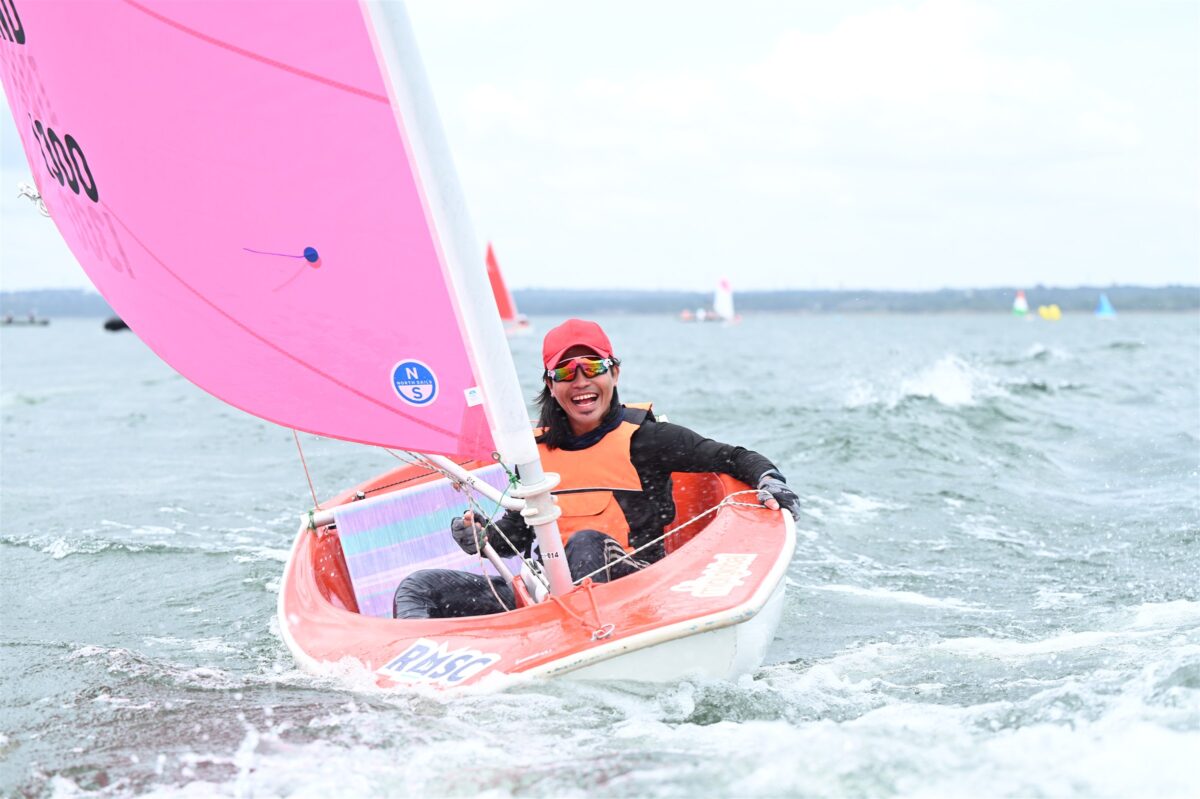
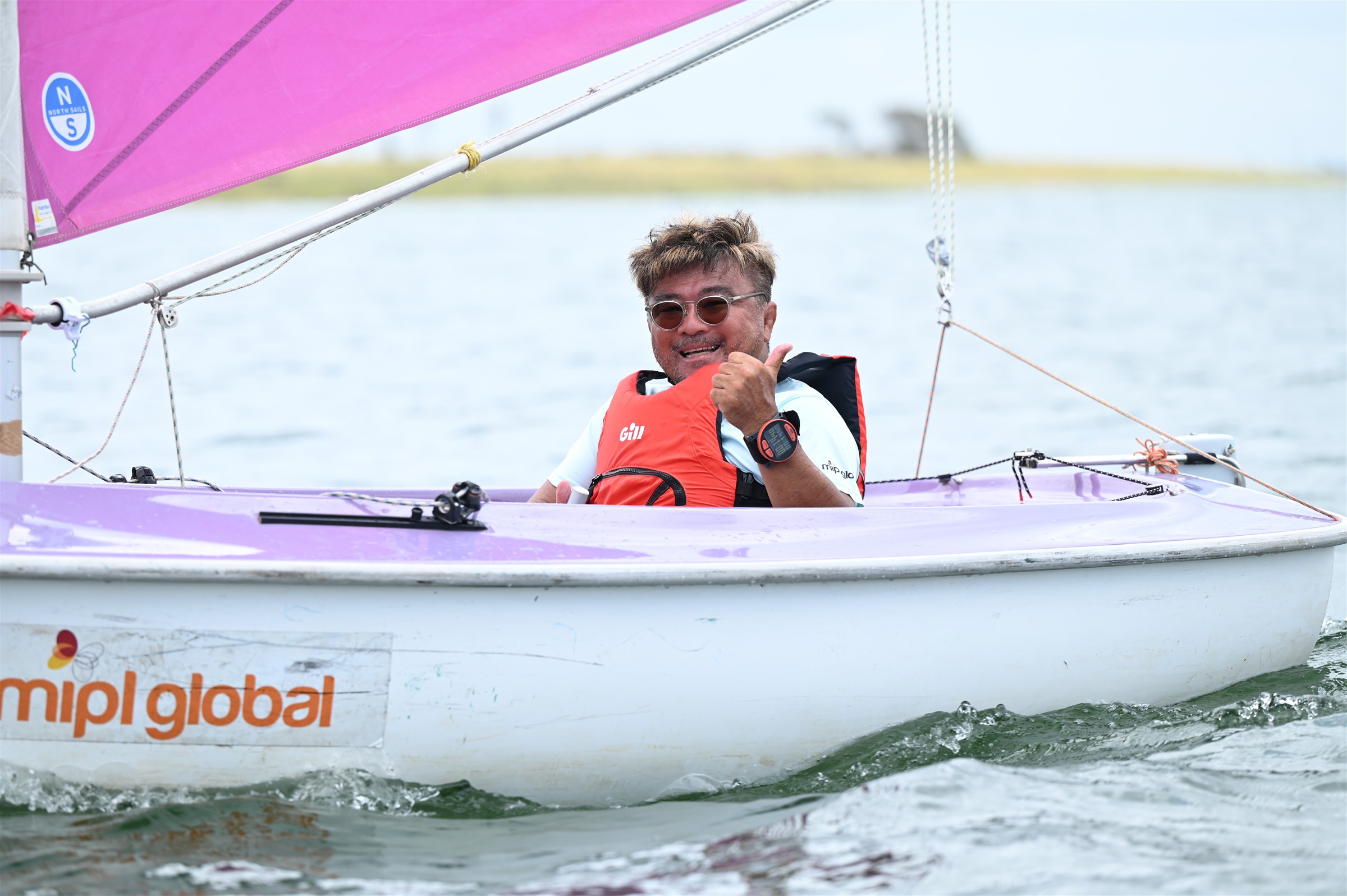
Hosted by the Royal Mysore Sailing Club (RMSC) and supported by the Yachting Association of India, the event followed directly from World Sailing’s three-day Inclusive Development Programme (IDP), creating an important link between learning and international competition.
For many sailors, the Cup provided an immediate opportunity to put the skills developed during the IDP into practice. Coaching continued throughout the competition, both on the water and through a dedicated WhatsApp group, allowing sailors to review their racing, ask questions and continue developing throughout the week.
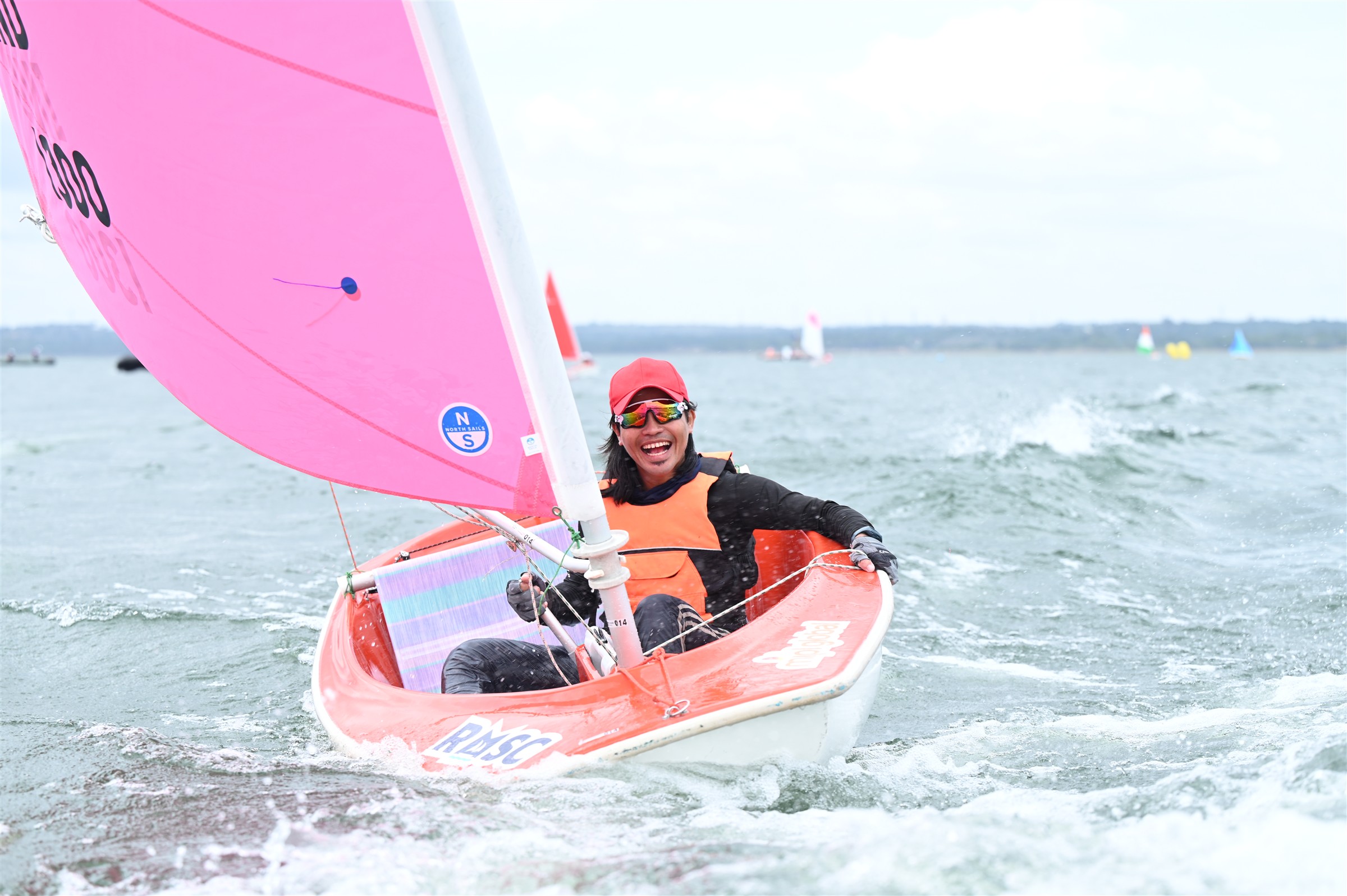
On the water, the racing highlighted the increasingly international reach of inclusive sailing in the region.
The 16-boat Hansa 2.3 fleet saw Malaysia take the top two positions, with Ayra Aulia Binti Mohd Noor Azman winning ahead of Wan Muhammad Adli Bin Wan Mohd Razin. India’s Naresh completed the podium in third.
Malaysia also took victory in the Hansa 303 single-handed fleet, where Mustafa Bin Junell finished ahead of Australia’s Gregory Myers and India’s Manoj Kumar Singh.
India secured the top two positions in the double-handed Hansa 303 competition. Mahaprabu A and Challa Venkata Nagesh took victory ahead of Mangali Koteswara Rao and Manish Bhati, with Malaysia’s Muhammad Hasif Aiman Bin Ahmad Shukri and Mohd Shahdan Bin Mawat completing the podium.
The event also welcomed the SV14, further broadening the range of inclusive equipment represented at the Cup. Thailand’s Tanat and Tammachat Sriopas won the ten-boat fleet, with Malaysia’s Ayra Aulia Binti Mohd Noor Azman and Mustafa Bin Junell second and India’s Karthikya and Aakash third.
Alongside the racing, the Eurasian Inclusive Cup provided an important opportunity to progress World Sailing’s ongoing work in Para classification and research.
World Sailing’s International Classifiers worked with athletes during the event as part of the continued testing and development of classification processes. Quantitative measurement equipment provided with the support of Cyclops Marine was tested in the event environment as World Sailing continues to explore how objective measurement can strengthen the evidence base underpinning classification.
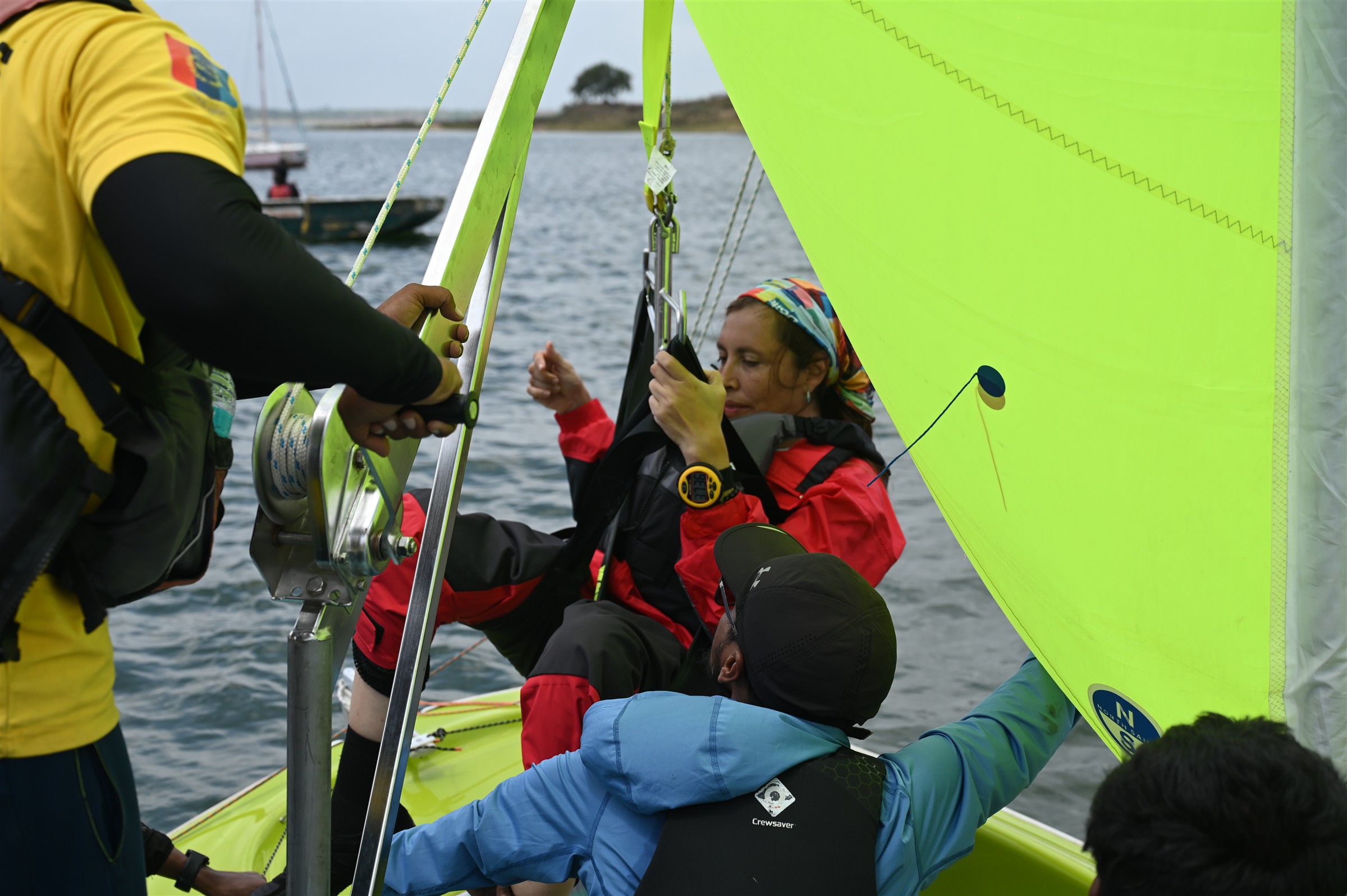
The project received valuable support from faculty and students from SRM University (Sri Ramaswamy Memorial University), who provided physiotherapy support to sailors while also assisting with the classification research. Their involvement brought academic and clinical expertise alongside the practical experience of athletes and classifiers.
The SRM University team also developed a series of seated exercise videos for participants, providing sailors with practical exercises to support their physical preparation and performance on the water.
The research undertaken in India forms part of World Sailing’s wider work to ensure Para Sailing classification remains athlete-centred and evidence-based. The experience and data gathered during the event will help inform the next stages of the project and opportunities for further academic research and collaboration.
The combination of development, competition and research made the 2026 Eurasian Inclusive Cup particularly significant. Sailors were able to move directly from learning through the IDP into international competition, while coaches, classifiers, researchers and organisers worked alongside them to strengthen the structures needed to support the sport’s future growth.
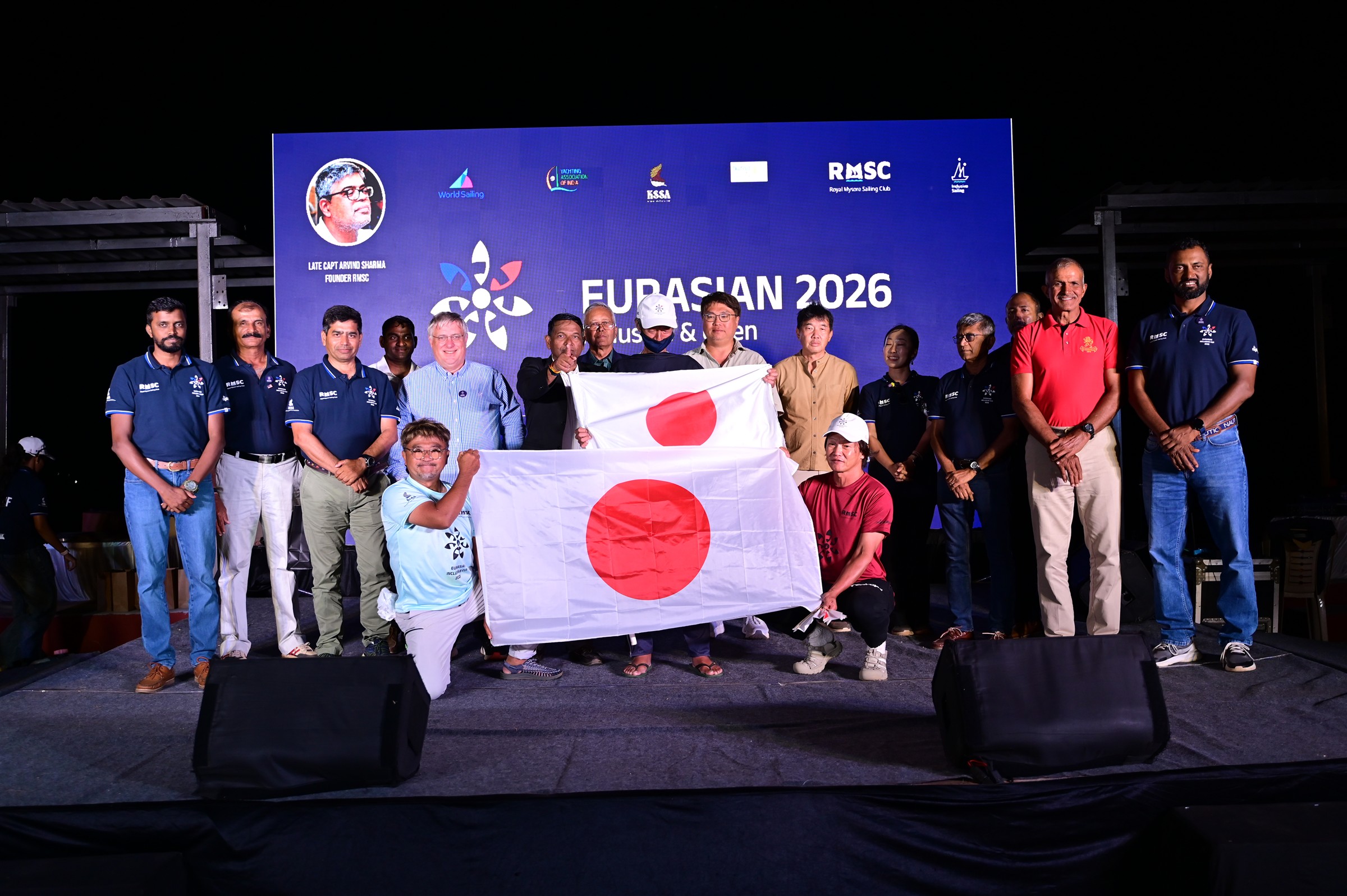
The event also marked another step forward for inclusive sailing in India. With RMSC continuing the vision championed by the late Captain Arvind Sharma, growing support from the Yachting Association of India, and Indian sailors now preparing to compete at the World Sailing Inclusion Championships in Portugal, the momentum created through international development is translating into lasting opportunities for sailors.