August 18, 2026
4 minutes reading time

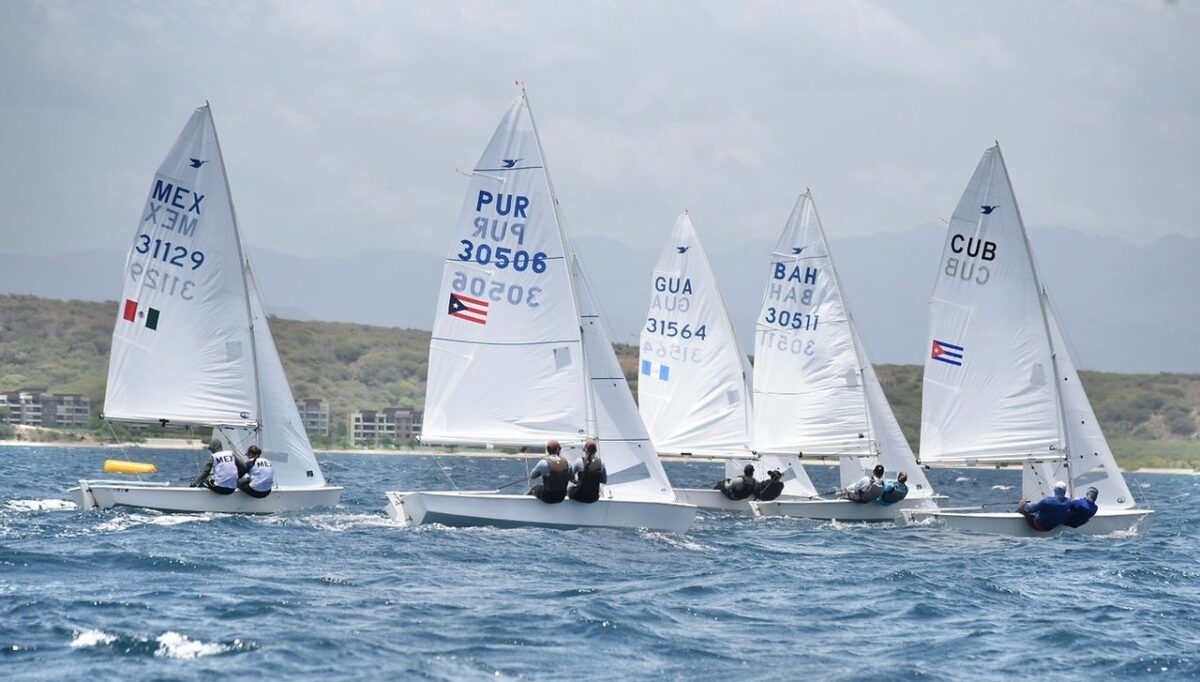
The sailing events were held in Punta Salinas and featured 24 countries with 83 boats competing in 10 events. And, across three distinct disciplines and backgrounds, sailors from small nations proved that limited local infrastructure is no barrier to podium-level success on the international stage.
From Belize’s Trent Hardwick securing a landmark bronze in the ILCA 7 while pursuing a PhD, to St. Vincent’s Kai Marks-Dasent channelling his campaign into disaster relief and community empowerment, to Mexico’s 16-year-old Alvaro Ramirez Jassa capturing gold in the i420, their triumphs at the Games converged to weave a single compelling narrative: the gap between regional potential and global success is rapidly closing.
Together, their journeys showcase how grit, strategic support, and purpose-driven sailing are redefining the sport across Central America and the Caribbean.
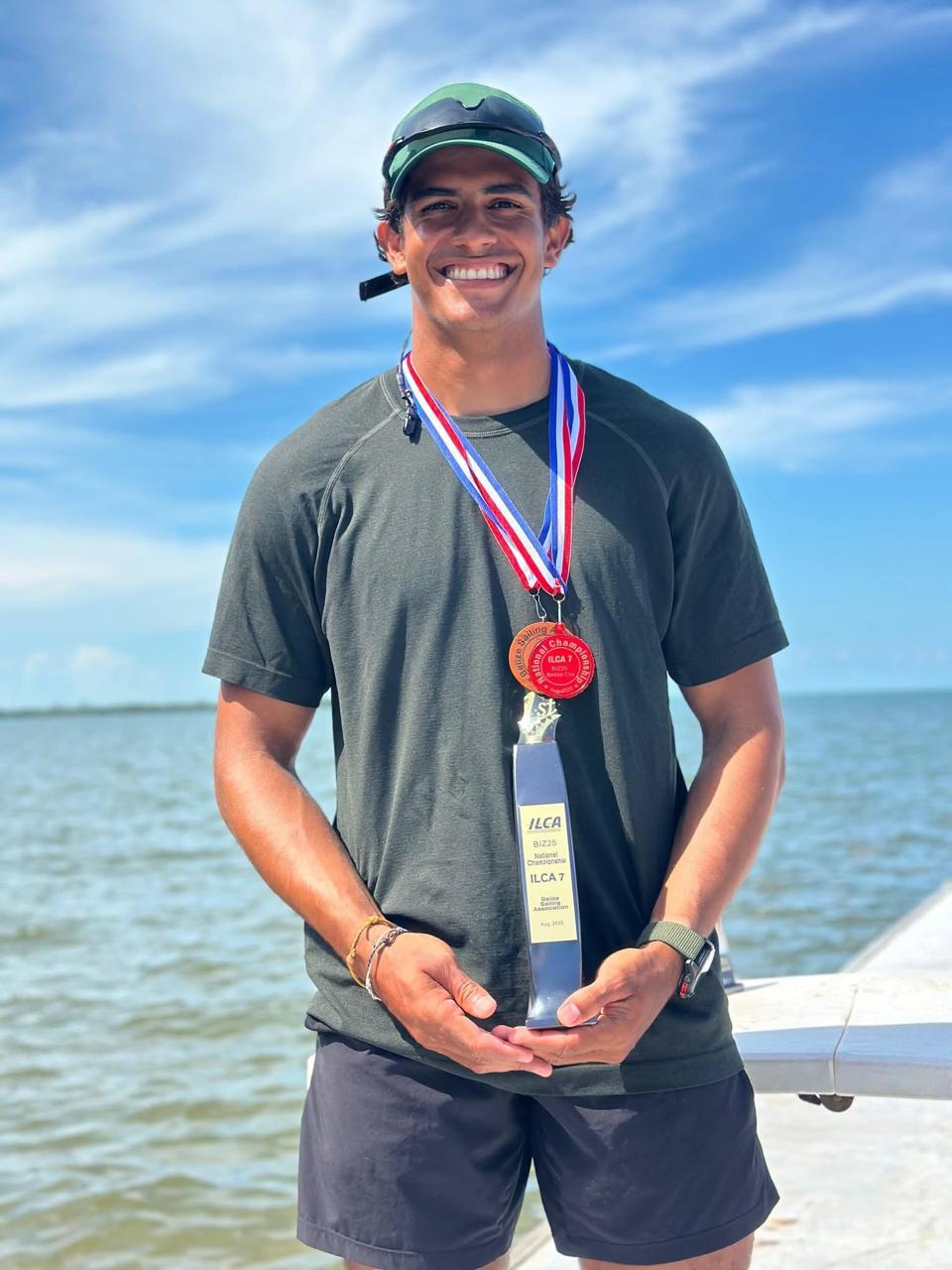
For Trent Hardwick of Belize, competing at the highest level of international sailing has always been a balancing act. A former national Optimist champion at age 11, Hardwick’s progression through the ILCA ranks saw him represent his country at three World Sailing Youth Championships, the Pan American Games, and the 2023 World Sailing Championships in The Hague.
His defining moment came at a previous edition of the Central American Games, where he secured a historic bronze medal in the demanding ILCA 7 class. This medal was Belize’s first in the discipline at a major international regatta.
What makes Hardwick’s rise extraordinary is his life off the water. While many of his international rivals train as full-time professional athletes, Hardwick is simultaneously pursuing a PhD in Biomedical Engineering.
Balancing high-level doctoral research with the demands of the physical training and international travel required to become an elite sailor, he embodies a rare breed of discipline.
Hardwick’s journey sends a clear message to young athletes across small nations: world-class athletic success and academic excellence do not have to be mutually exclusive.
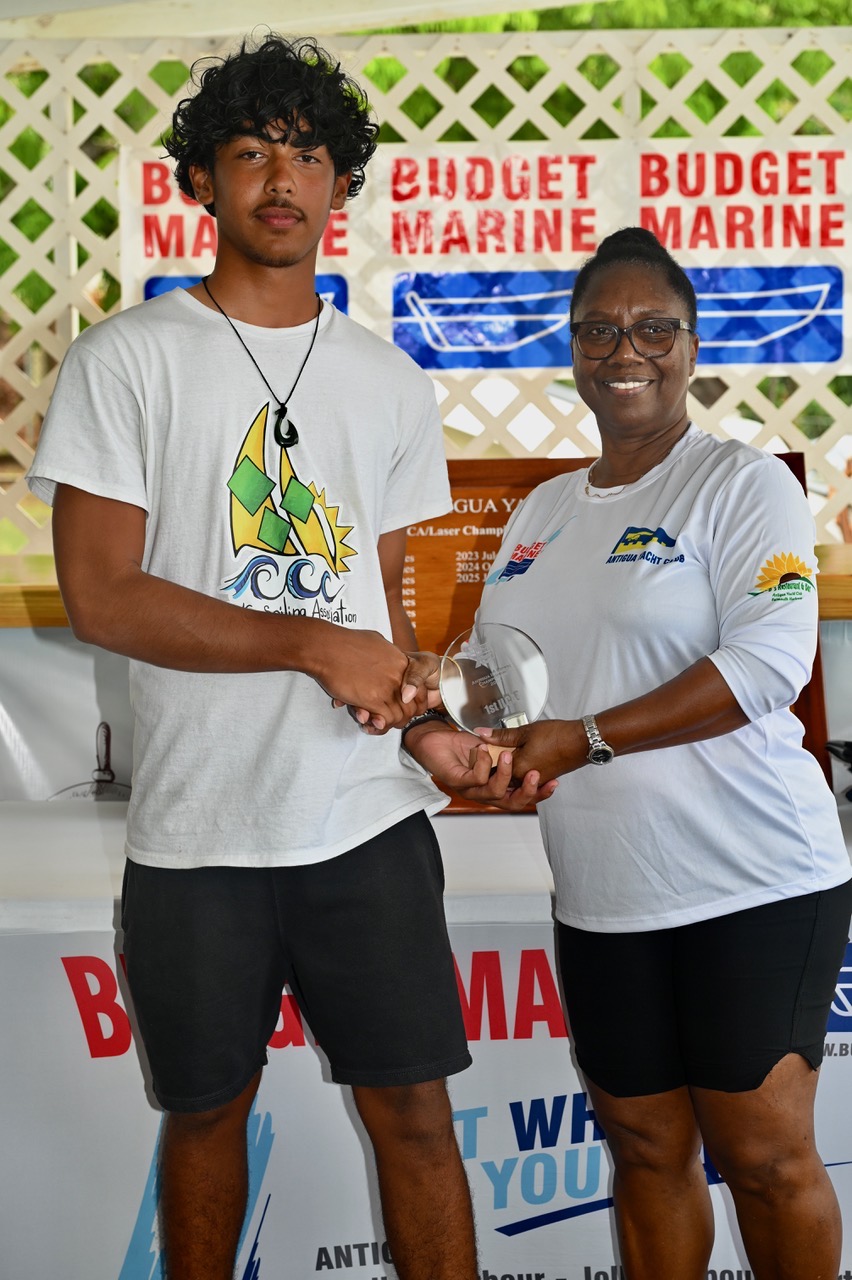
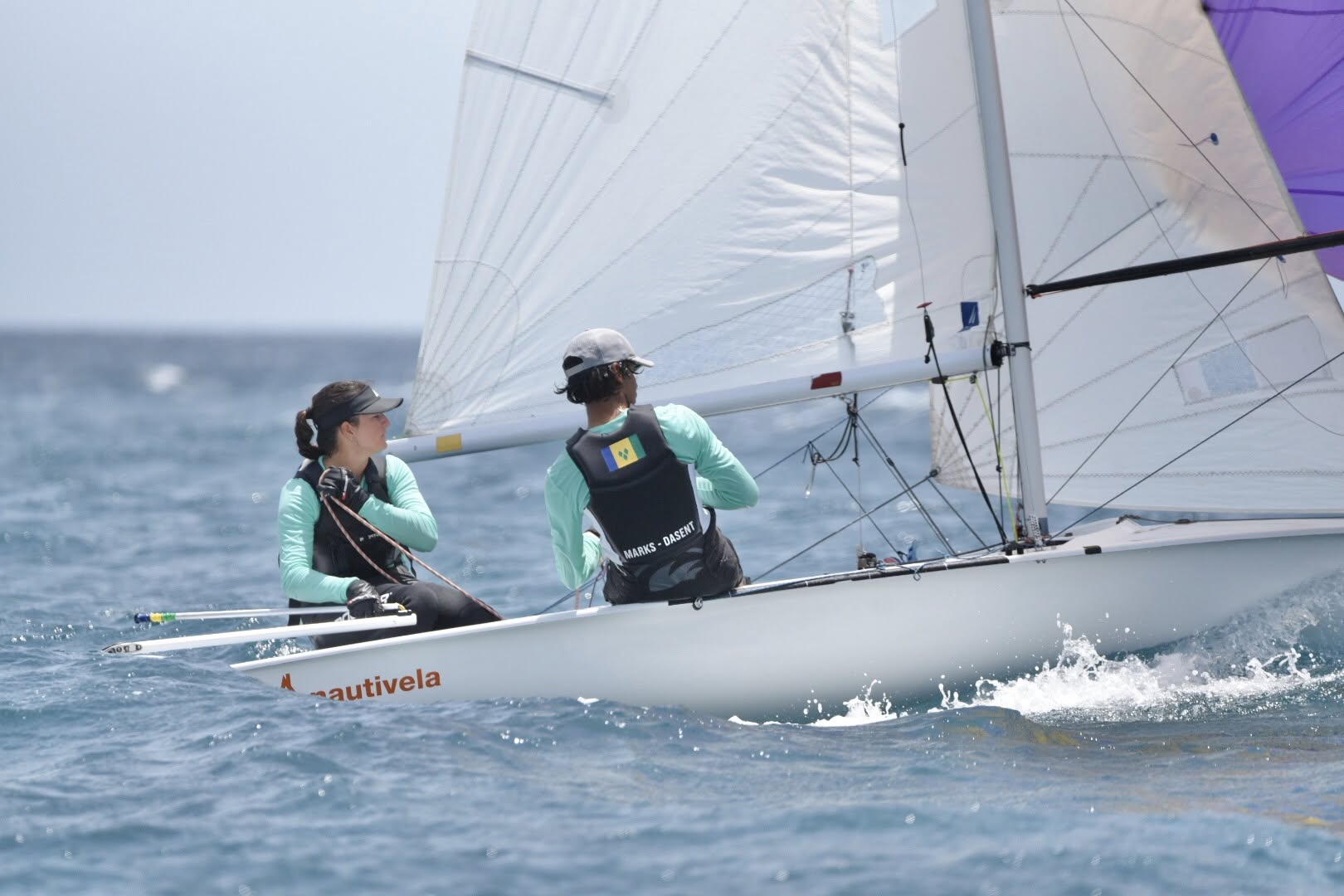
Further south, in St. Vincent and the Grenadines, Kai Marks-Dasent is redefining what it means to be an ambassador for the sport. For island athletes, the lack of local access to world-class coaching, modern equipment, and regional competition often ends Olympic ambitions before they begin. Marks-Dasent has turned those exact obstacles into fuel.
First progressing from Optimist and Open Skiff to now transitioning from the ILCA 6 to the Olympic-class ILCA 7, Marks-Dasent has built his campaign around community service. Following the devastation of Hurricane Beryl, he undertook a gruelling 42-mile fundraising sail from St. Vincent to Union Island. The effort raised vital funds for his local sailing club and covered national CSEC examination fees for displaced high school students.
He followed that feat with a 70-mile offshore passage to Grenada to establish youth sailing scholarships, ensuring financial barriers don’t keep local youth off the water.
And now, as he reflects on the Central American and Caribbean Games and looks ahead to the ILCA 6 Youth World Championships in Denmark, Marks-Dasent’s Olympic campaign stands as a beacon for how sports can rebuild and empower coastal communities.
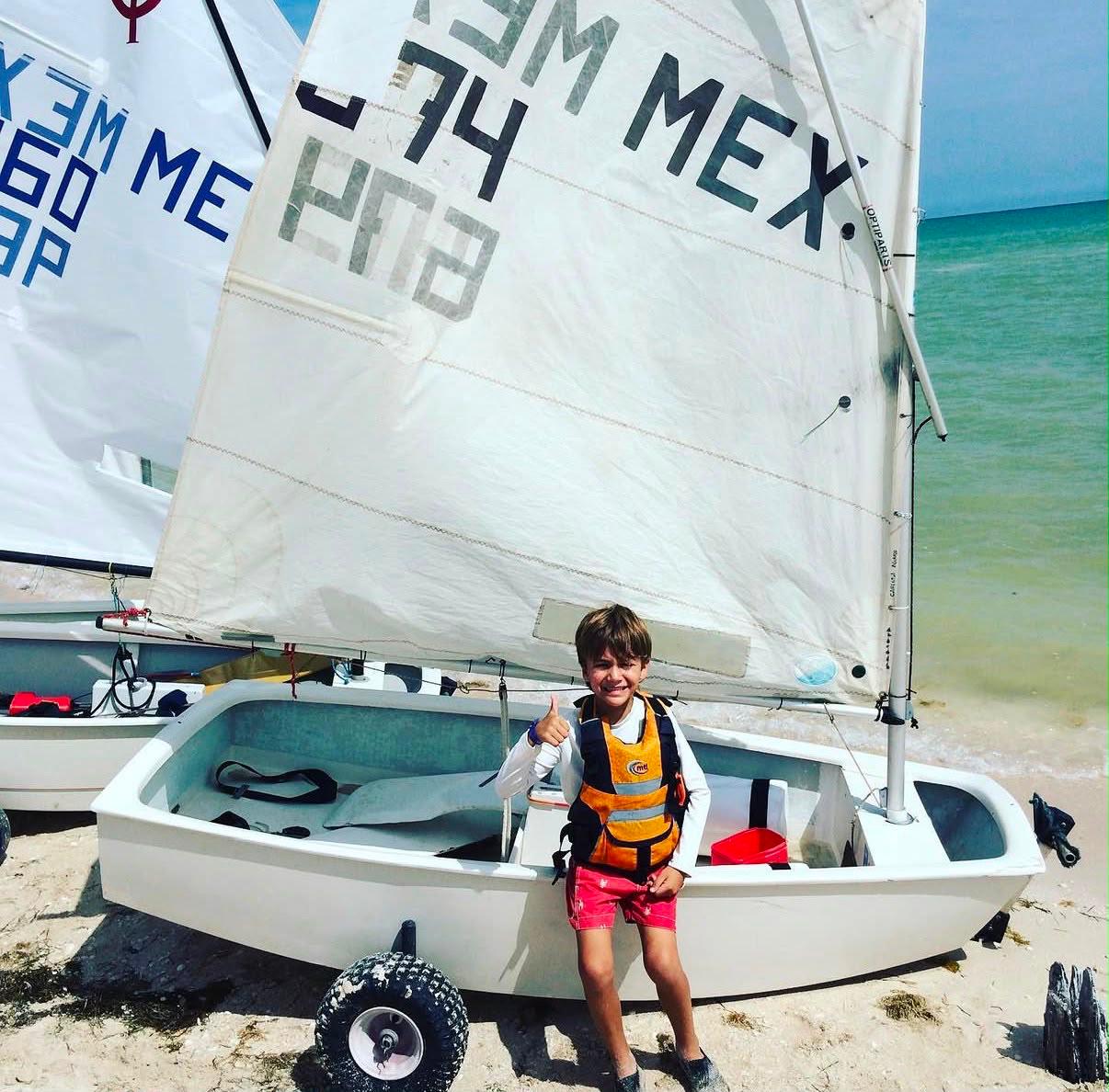
Sixteen-year-old Mexican sensation Alvaro Ramirez Jassa represents the region’s bright future in sailing. Beginning his career in the Optimist class at age six, Ramirez Jassa spent his formative years building a reputation for tactical versatility, switching seamlessly between ILCA, Sunfish, and Hobie platforms.
That broad foundation paid off in a major way when he claimed the 2026 ILCA 6 Mexican National Championship.
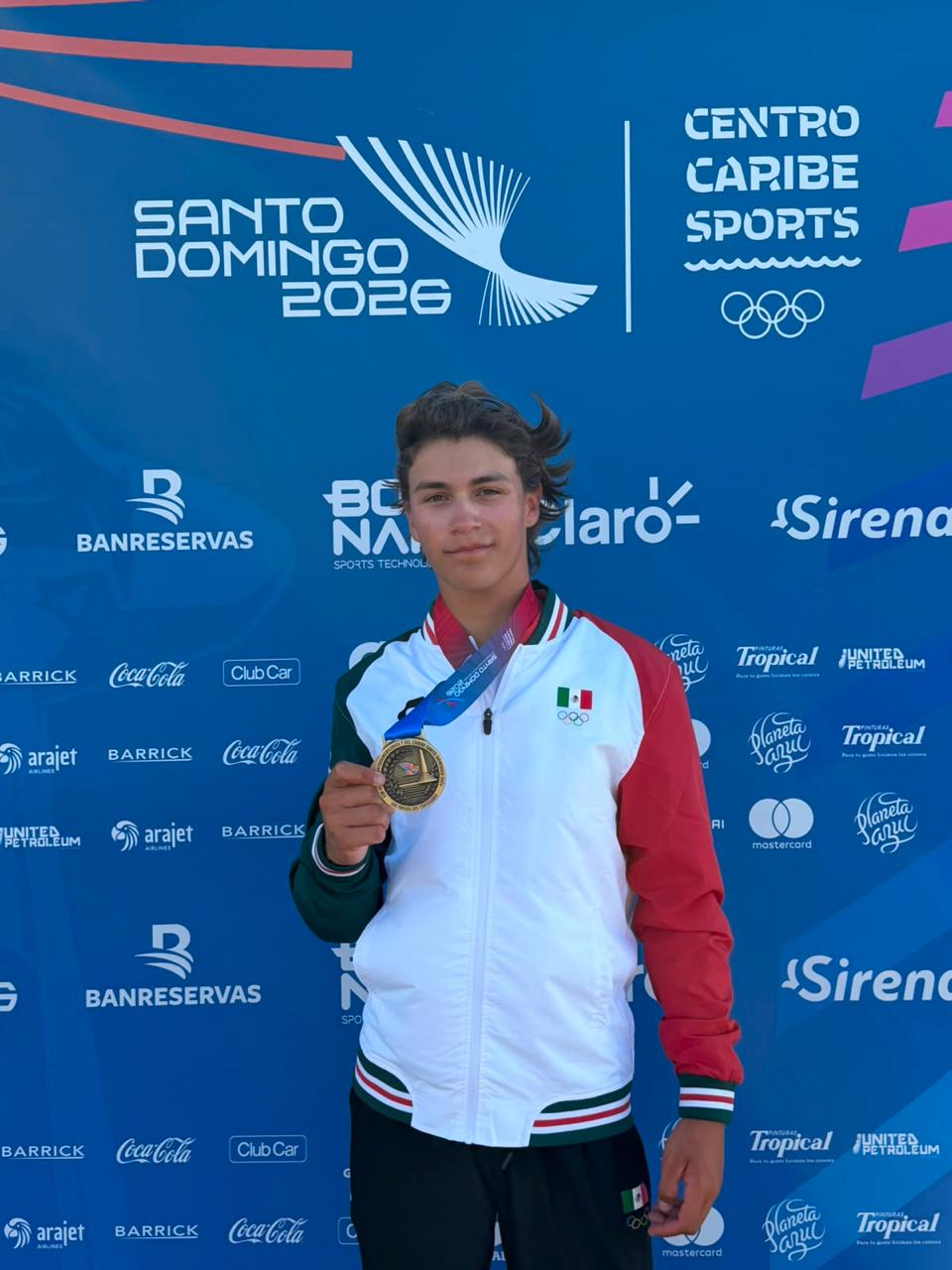
Partnering with renowned Cuban coach Paty Álvarez, Ramirez Jassa made a strategic shift into the highly technical i420 double-handed class to accelerate his Olympic campaign. The decision proved immediate dividends at the Central American and Caribbean Games in the Dominican Republic. Sailing with the composure of a seasoned veteran, the teenager captured the Gold Medal, instantly putting the international fleet on notice.
While these three sailors navigate different stages of their careers, their shared narrative highlights both the vast potential and the unique challenges of regional sailing:
The success of Hardwick, Marks-Dasent, and Ramirez Jassa proves that the Caribbean and Central American regions are brimming with world-class talent. However, sustaining this momentum requires systemic support.
World Sailing’s educational initiatives, which include the Senior and Youth Emerging Nations Programmes (ENP) alongside the Technical Courses for Coaches (TCC), have created an integrated ecosystem designed to close the global performance gap and support long-term capacity building for developing Member National Authorities (MNAs).
By fostering local talent and creating clearer pathways to international fleet racing for both athletes and officials, the region can transform these individual stories of triumph into an enduring legacy on the global stage.