June 18, 2026
7 minutes reading time
At the 14th Annual KMAC Regatta and Hansa Championship of the Americas in Coronado, USA, there were, tight mark roundings, tactical battles, and podium finishes. But what stood out most was something bigger than results.
It was the atmosphere.
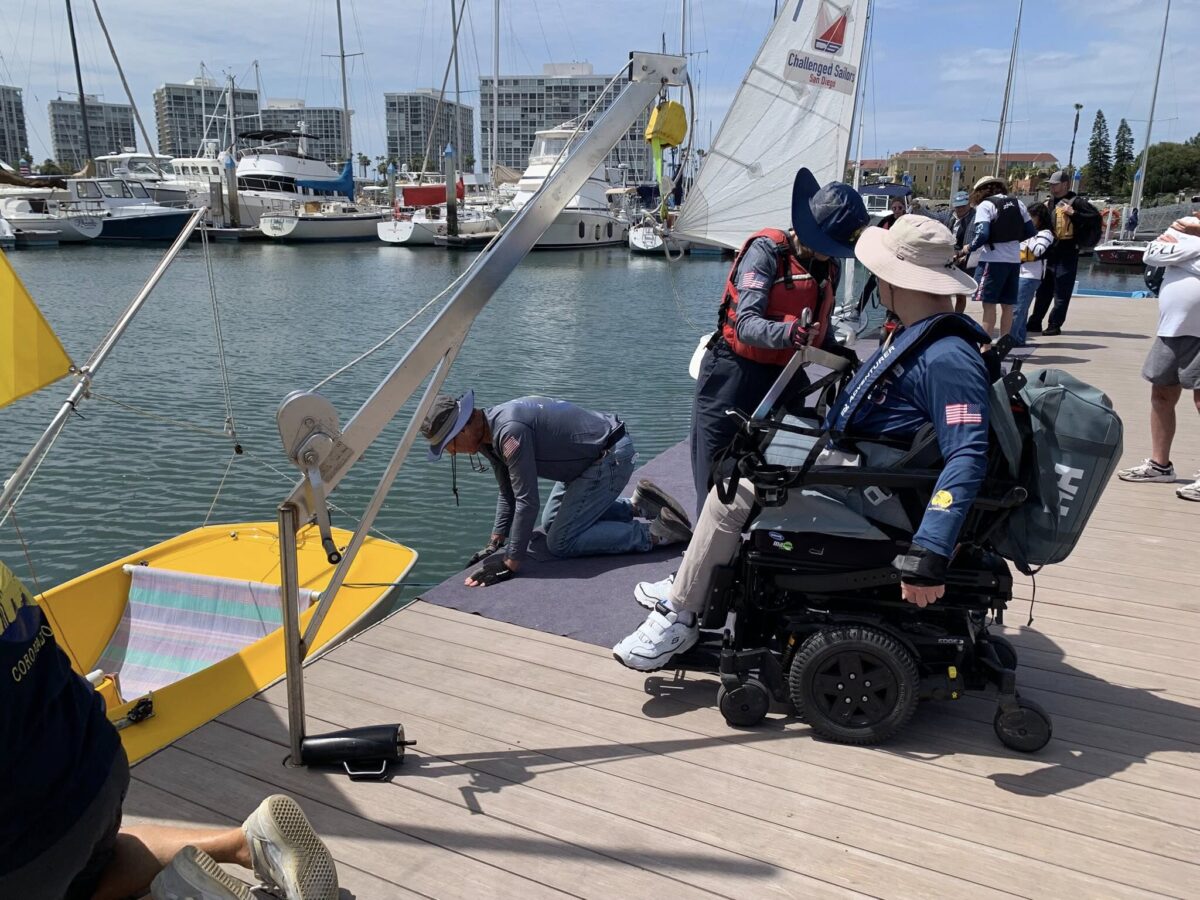
In most high-performance sailing environments, competitors protect information. In Para inclusive sailing, sailors help each other rig boats, transfer into seats, adjust sail trim, troubleshoot equipment, and sometimes literally lift one another into competition. Then the start horn sounds – and everyone tries to beat each other anyway.
That combination of fierce competition and deep community is what makes this side of the sport so special.
For me personally, this regatta was another reminder that showing up matters.
I train primarily in a Martin 16 in Canada – a boat sometimes viewed as “less high performance” than the internationally used Hansa 303 or RS Venture Connect fleets. But the Martin 16 is what I have access to. So I sail it hard, learn everything I can, and then travel internationally to compete in whatever boat is available.
As a four-way amputee classified at the highest disability level, I know I will not always have the same agility advantages as others. I often charter boats that are not adapted for my body. Sometimes I am literally lying sideways in a Hansa 303 cockpit trying to stabilise myself while trimming sails. Sometimes I am managing lines without the adaptations I use at home. Para sailing teaches you something important:
You show up anyway.
And despite those realities, between 2025 and 2026 I moved from 23rd in the world rankings to 3rd ranked classified female Para sailor internationally. That result matters to me not because it proves perfection, but because it proves possibility.
The path upward in Para sailing is rarely straightforward.
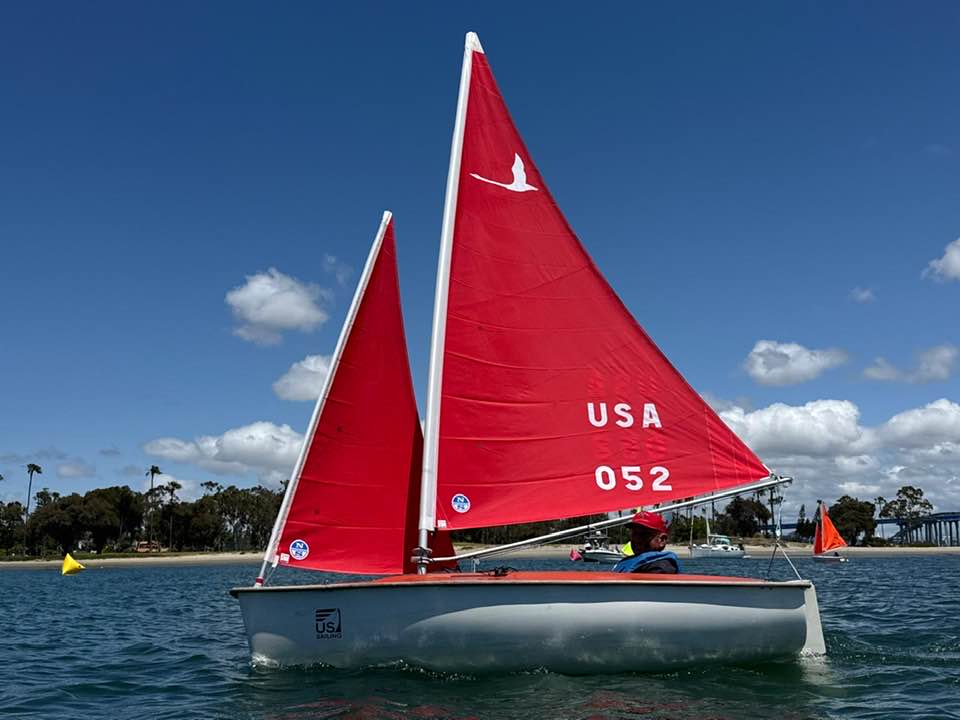
The Martin 16 fleet at KMAC represented something important about accessibility and opportunity.
In Canada, the Martin 16 is one of the most available adaptive racing platforms. While many countries focus on Hansa classes or RS Venture Connect, Canadian sailors often develop in Martin 16s because that is what local programmes can provide. It may not always receive the same international spotlight, but it creates sailors, confidence, independence, and tactical experience.
And tactics still matter.
Even when equipment differences exist, strategy matters. Starts matter. Reading shifts matters. Knowing when to cover a competitor or play a favoured side of the course matters. Coaches notice sailors who think well, adapt well, and persevere.
At KMAC, I finished second in the Martin 16 fleet overall. Results alone never tell the whole story in inclusive sailing.
In San Diego, companions are required aboard the Martin 16s. I appreciate USA approach because participation comes first and fairness of all boats having two companions. It also changes competition dynamics dramatically. Some more novice sailors race with highly experienced able-bodied companions coaching tactics in real time. Others sail more independently like myself. So, I was second to highly experienced able-bodied companion. Important because of world ranking not always relevant for a local recreation programme. Weight differences between one-person and two-person crews can also affect performance immediately.
So, in many ways, Para sailing asks athletes to compete across multiple variables at once: disability classifications, equipment access, coaching support, crew configurations, and financial resources.
And still – we race.
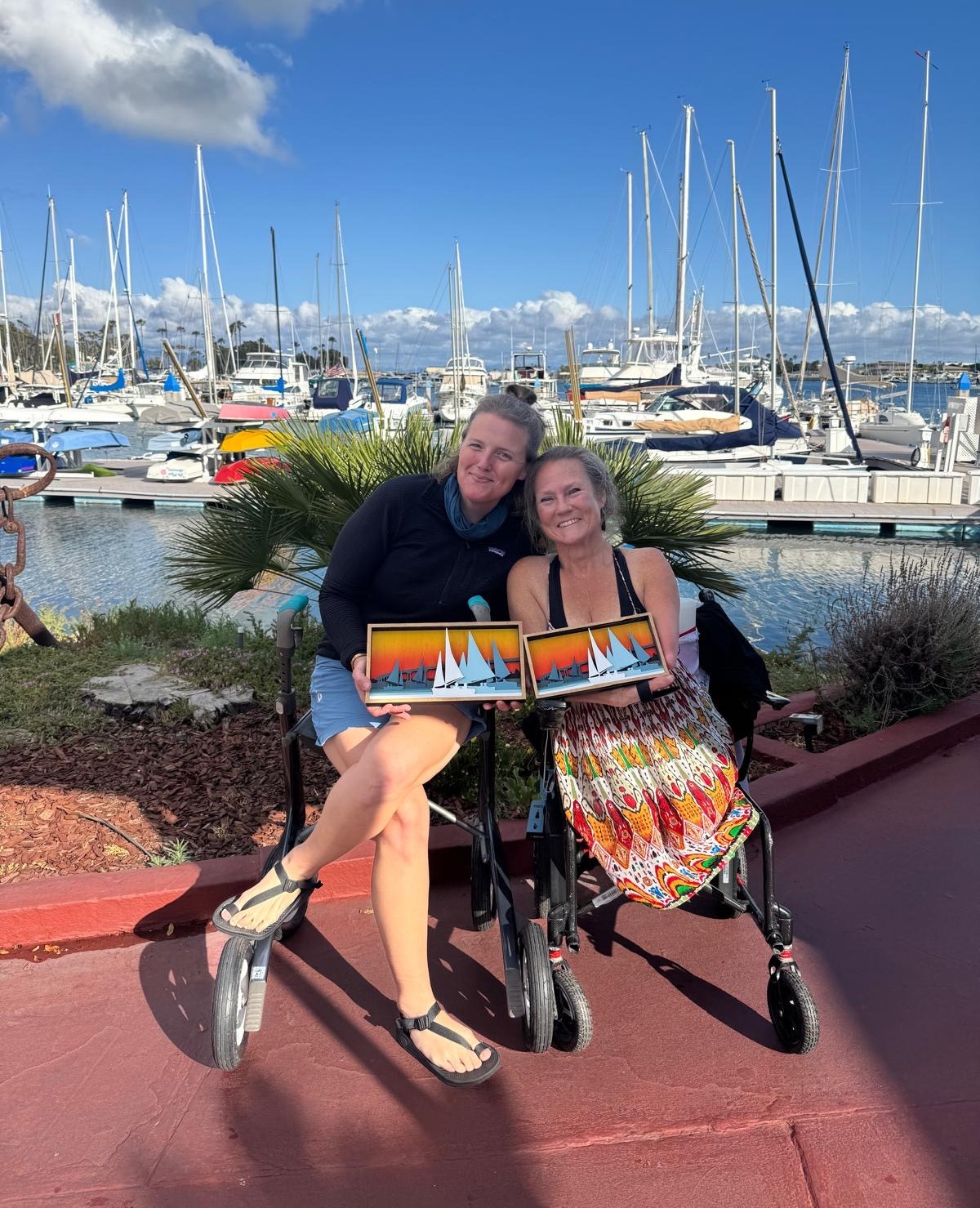
One of the most inspiring parts of the regatta was the growth of female participation in Para Sailing.
Zaida Perez-Bugueño represented Chile with consistency, determination, and positivity throughout the regatta. While she finished fourth overall in the Hansa 303 fleet, she was the highest-ranked classified female sailor in her division — a reminder that success is not always about standing on the very top step of the podium.
Sometimes success is about showing up again and again.
Zaida trains hard, listens carefully, asks questions, and commits fully to improving. I loved being able to support her by sharing coaching debriefs, tactical observations, and lessons learned from years in sailing. Even loaned her my Canada Hansa sail. In return, she reminded all of us that high performance also includes kindness and community – whether that meant helping with hair before racing or cooking endless meals generously for fellow sailors after long days on the water.
That spirit matters.
Female sailors supporting female sailors is one of the most powerful growth opportunities in Para sport today.
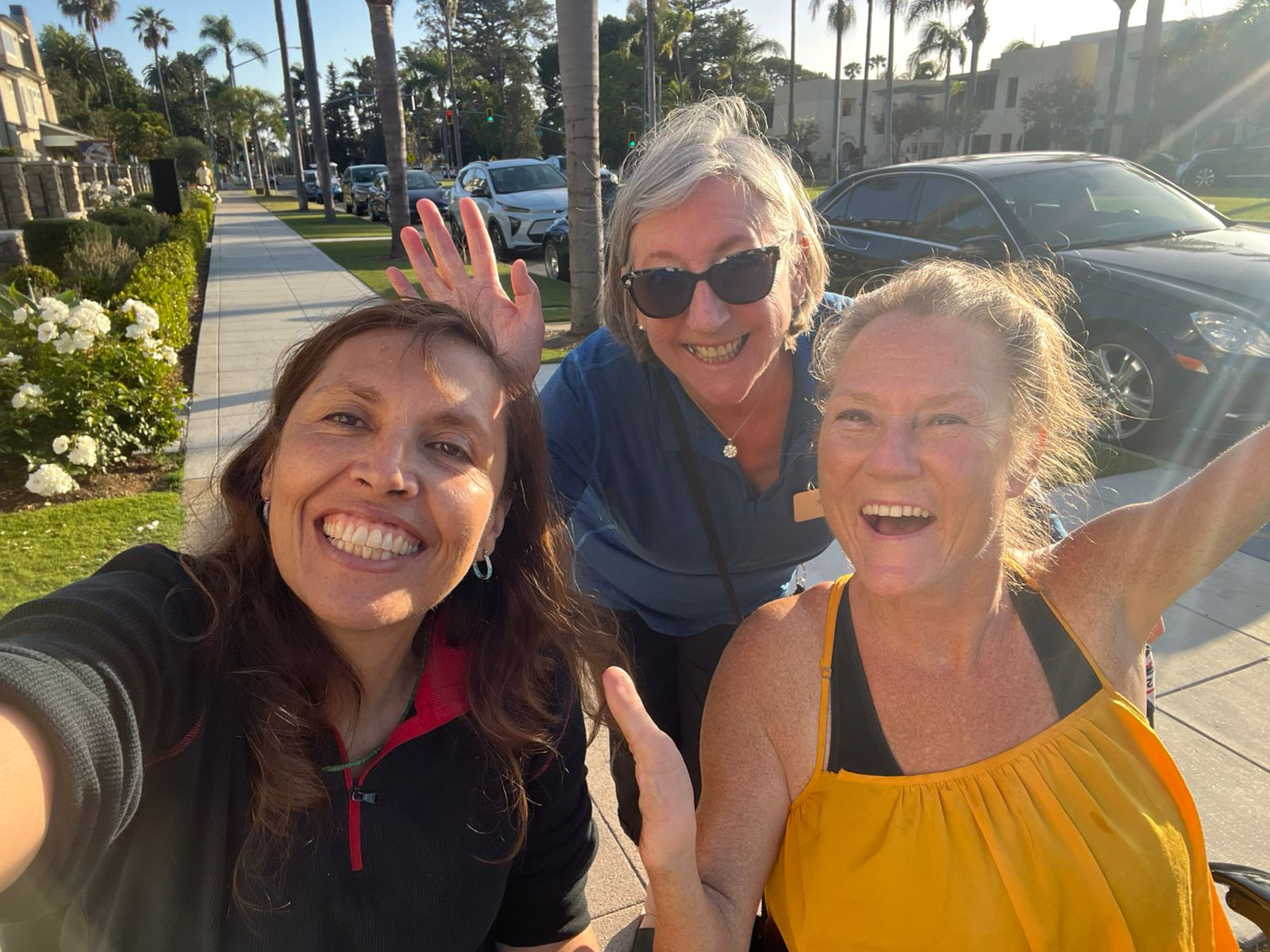
Another important lesson from the regatta came through sailors like Jane Pimentel.
Jane won the Hansa 303 class overall at KMAC, and deservedly so. She sailed brilliantly. What struck me most was something else: Jane has an invisible disability rigging, sailing and only end of day in a dark parking lot do you see her walker use.
In Para sport, invisible disabilities challenge assumptions. Sometimes we think disability must “look” a certain way. Yet conditions such as Parkinson’s disease, multiple sclerosis, PTSD, neurological conditions, or chronic illnesses may profoundly affect strength, coordination, focus, endurance, or balance without being immediately visible.
That realisation is important for all of us.
As someone born without hands and legs, my disability is obvious. But Para Sailing continues to teach me not to judge what I cannot see.
Jane also brings another valuable dimension into the fleet: deep able-bodied sailing experience. Many sailors who acquire disabilities later in life arrive with decades of racing knowledge, coaching expertise, and technical understanding. For athletes like me who were born disabled, we often did not have the same developmental pipeline growing up through elite junior sailing systems.
So, sailing beside athletes like Jane becomes an education in itself.
That cross-pollination – between lifelong disabled sailors, newly disabled sailors, veterans, recreational sailors, and elite racers – is one of the hidden strengths of inclusive sailing.
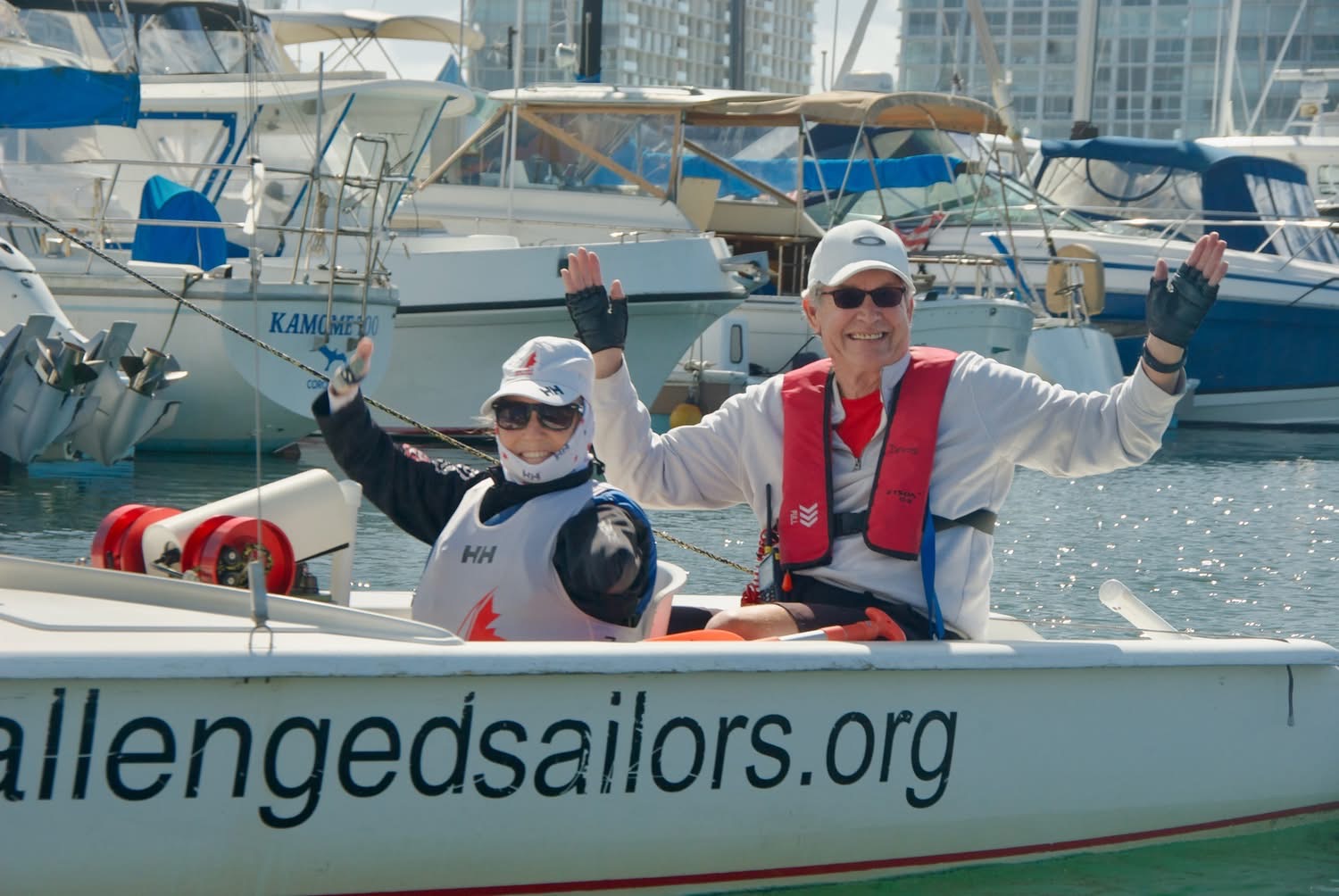
One of the beautiful complexities of modern Para inclusive sailing is that fleets are often mixed.
Classified sailors race alongside sailors with emerging disabilities, invisible disabilities, veterans with trauma injuries, and sometimes able-bodied sailors participating to help fleets grow stronger. That can create complicated conversations around classifications and fairness, it also creates fuller start lines, better competition, and more opportunities for learning.
And ultimately, more people sailing is a good thing.
Because when fleets grow, everybody improves.
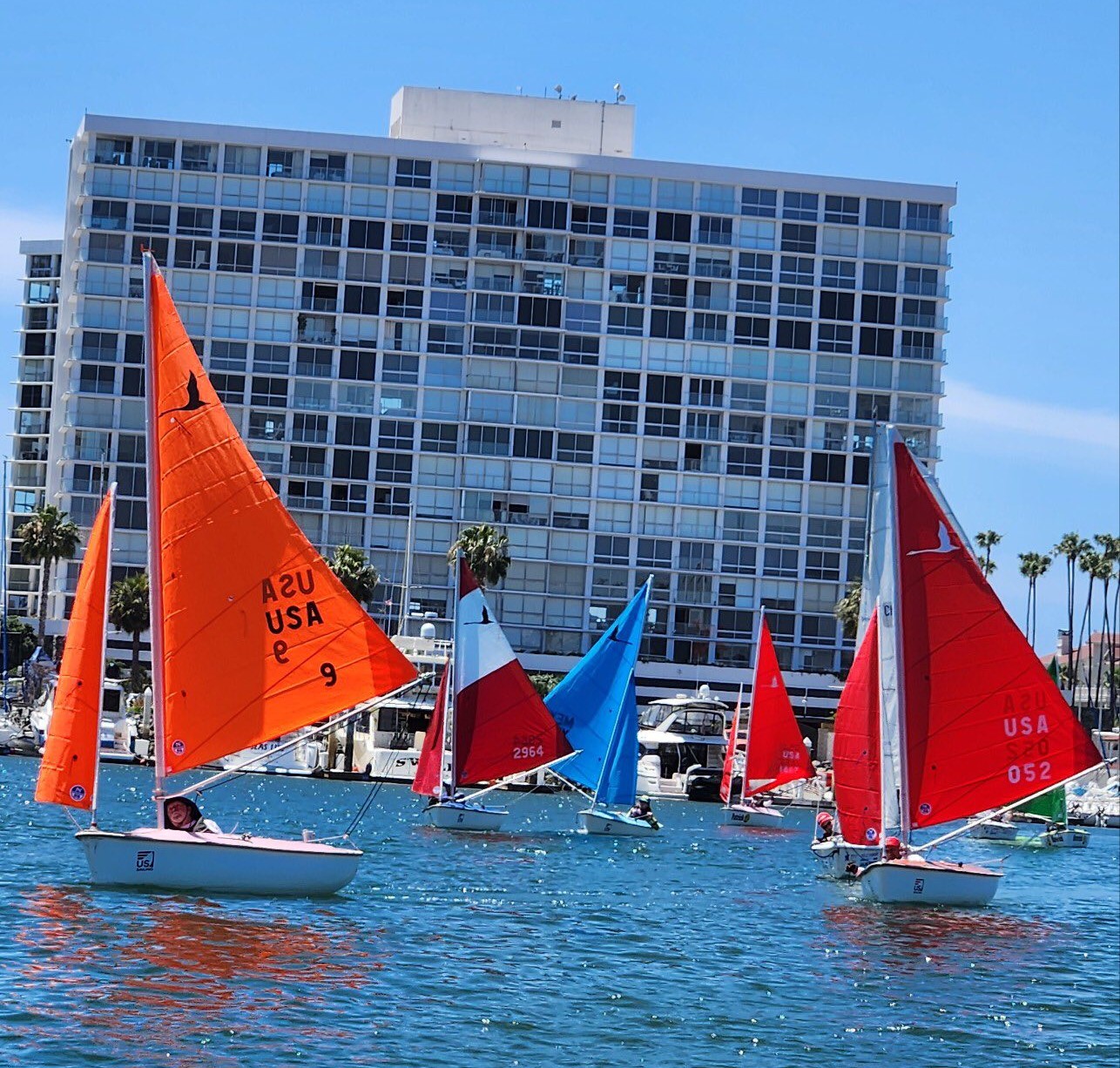
At KMAC, sailors came from across the Americas and beyond. There were competitors from Canada, the United States, Chile, and New Zealand, along with sailors connected to places like Mexico, Puerto Rico and the U.S. Virgin Islands. Veterans sailed Capri 22s alongside experienced mentors and decorated sailors. First-time participants shared the water with internationally ranked athletes.
That diversity is exactly what the future of sailing should look like.
None of this happens without volunteers, organisers, and coaches.
The KMAC Foundation continues to create extraordinary opportunities for sailors with disabilities in memory of Lt. JG Kyle McArthur. Jamie McArthur and the entire organising team have built an event culture rooted in dignity, hospitality, and possibility.
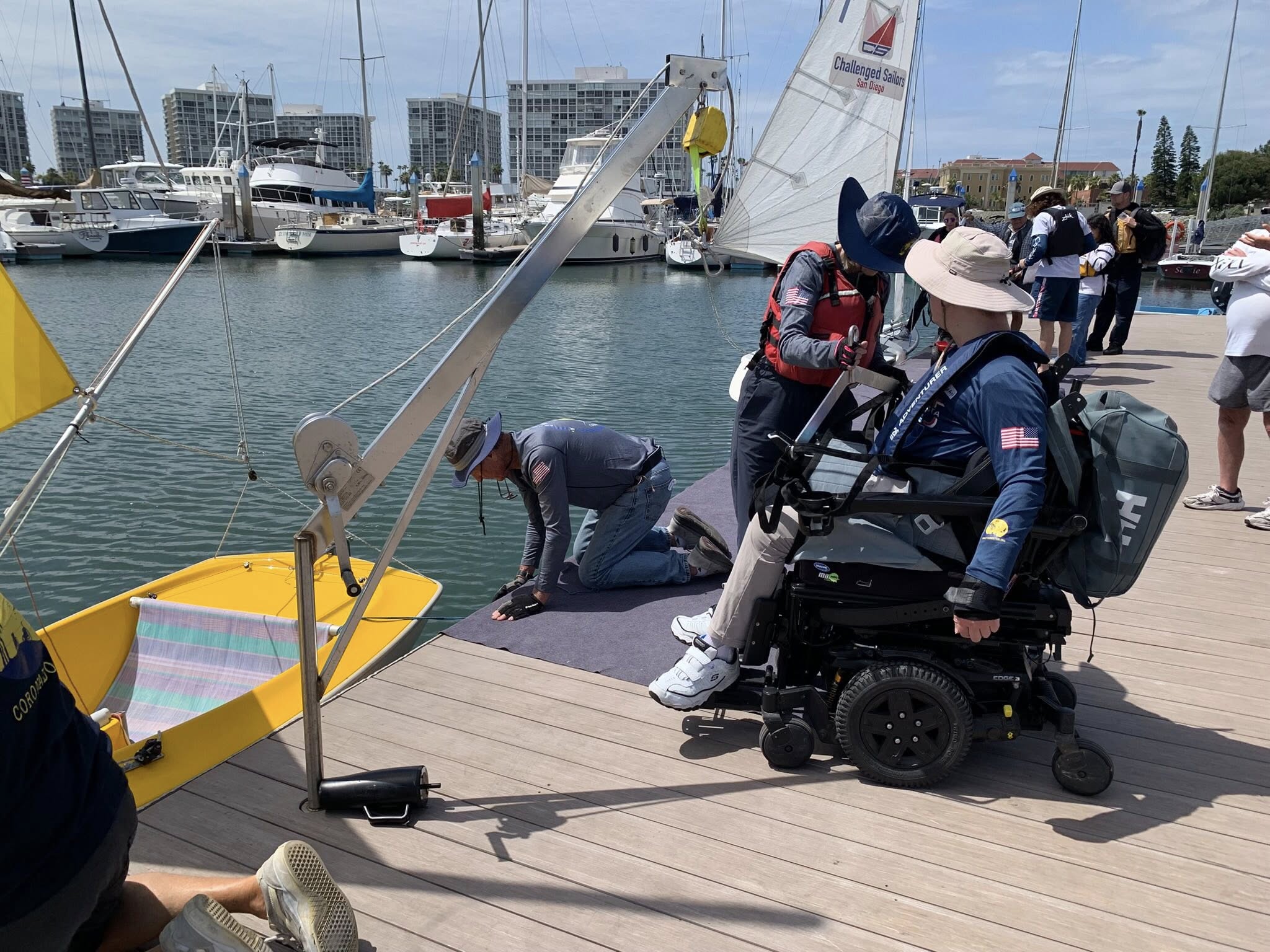
The event also relied heavily on partnerships with programmes like Challenged Sailors San Diego and Bay Area Association of Disabled Sailors, whose volunteers transported boats, prepared equipment, and helped sailors get safely onto the water.
Coaching was another standout feature. Jon Rogers brought high-performance insight, tactical expertise, and encouragement to sailors across multiple fleets. His ability to elevate athletes while making learning accessible helped create an environment where competitors at every level improved.
Race management under Mike Gaylord and the volunteer team delivered outstanding racing while balancing accessibility, safety, and competitive integrity.
And perhaps most importantly, there were dozens of unseen volunteers sweating in parking lots, polishing hulls, launching boats, repairing equipment, towing trailers, and making sure sailors could simply get to the starting line.
That work matters.
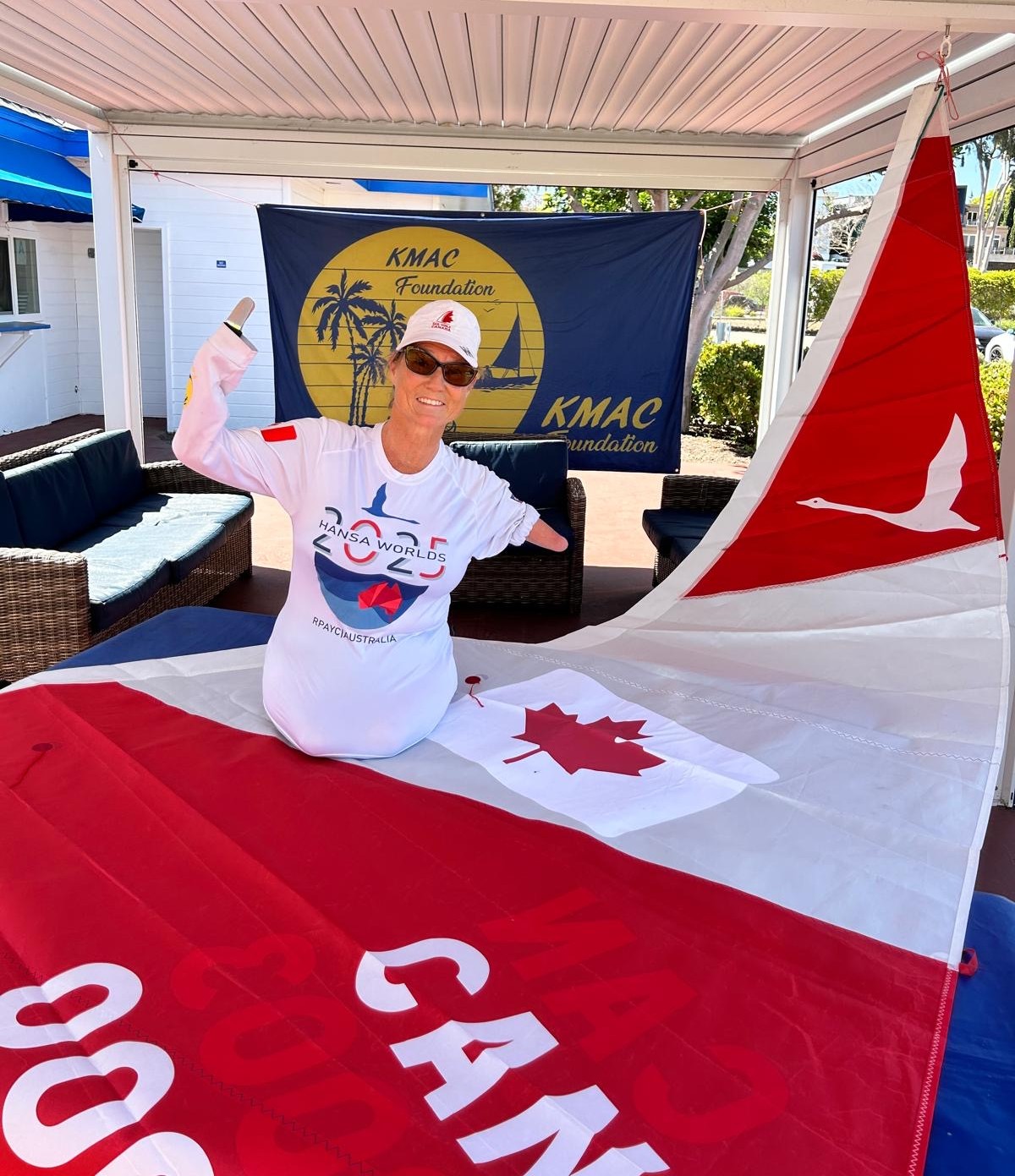
Para sailing has taught me that winning is layered.
Sometimes winning is a podium finish.
Sometimes winning is improving your start sequence.
Sometimes winning is learning a new boat.
Sometimes winning is simply arriving despite every logistical obstacle.
For many adaptive sailors, there is limited funding, minimal sponsorship, and enormous travel costs. Athletes share accommodations, split rental cars, borrow equipment, and help each other however they can.
The reality is that most of us are building this movement while simultaneously competing within it.
And yet there is extraordinary joy in that process.
At KMAC, I watched sailors who once doubted themselves cross finish lines with confidence. I watched women support one another across cultures and languages. I watched veterans discover sailing for the first time. I watched elite racers coach beginners. I watched people redefine what they believed their bodies could do.
That is why inclusive sailing matters.
Unstoppable Tracy Schmitt, BRLS, BEd, OCT, MBA, is a Canadian Paralympic trialist, world-ranked Para sailor, motivational speaker, and four-way amputee who has competed internationally across multiple adaptive sports. Sailing primarily in the Martin 16 class while training and competing internationally in Hansa 303, 2.4mR and other Para sailing fleets.