January 12, 2026
2 minutes reading time

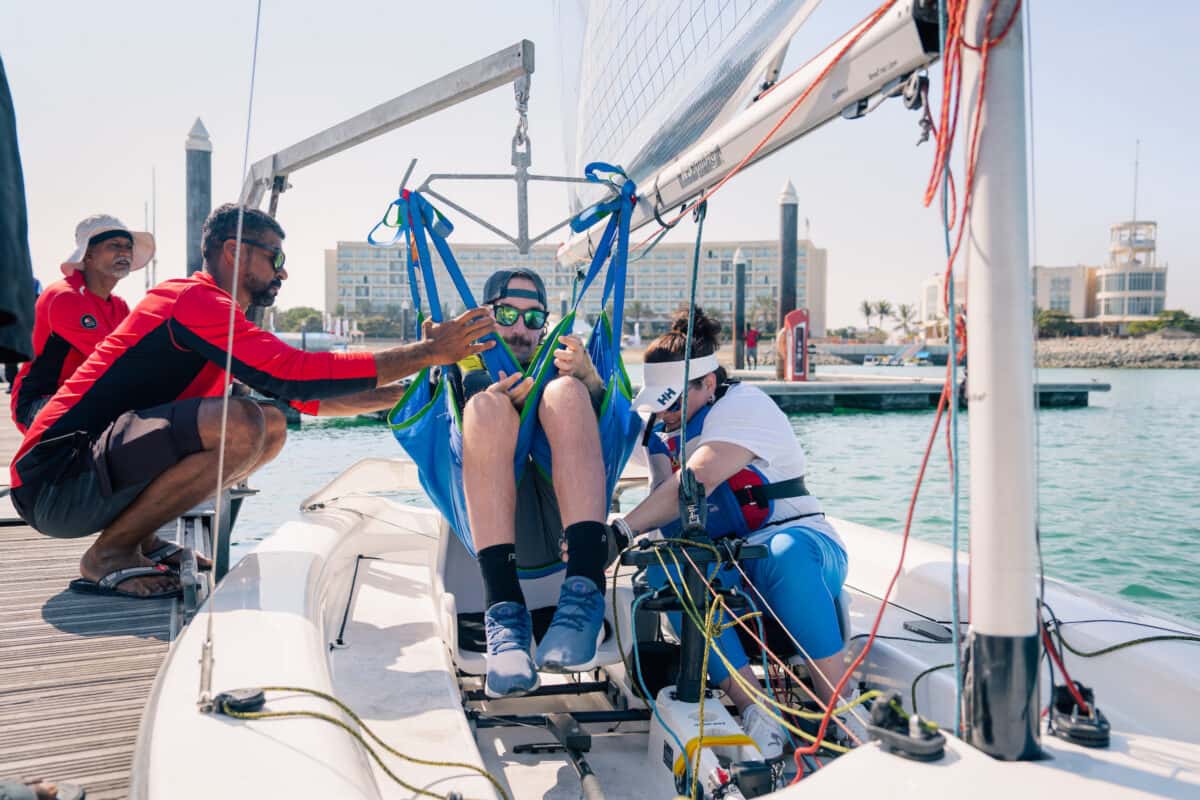
Classification plays a critical role in ensuring fair and credible Para Inclusive competition. As Para sailing continues to grow globally and aligns more closely with the Paralympic Movement, it is essential that our classification systems meet international standards and reflect best practice.

World Sailing is currently progressing its alignment with the updated International Paralympic Committee (IPC) Classification Code, which came into force in 2025. This updated Code introduces clearer, more consistent and more athlete-centred requirements across all Para sports. In parallel, the World Sailing Para Sailing Rules are being updated, including important changes to classification processes, to ensure Para Inclusive Sailing is fully compliant and future ready.
A key change introduced by the IPC is a clearer separation between eligibility and sport-specific classification. This means the assessment of an athlete’s underlying health condition is handled in a more structured way, before considering how that condition impacts performance in sailing. This approach reduces duplication, improves consistency and helps athletes better understand their classification pathway.
The updated Code also places greater emphasis on governance, athlete protection and transparency, with clearer processes around decision-making, communication, review and appeal. Stronger requirements around data management and traceability have driven the introduction of centralised digital systems.
For Para Sailing, this includes the rollout of a new Globocol classification database, which will support more secure record-keeping, clearer tracking of classification history and a smoother experience for sailors, classifiers and organisers. These changes are designed to make classification more robust behind the scenes, while simpler and easier to navigate for the community.

In addition, World Sailing is working closely with the IPC on the centralisation of Visual Impairment (VI) classification, aligning sailing with wider Paralympic processes and ensuring greater consistency and confidence for VI sailors across sports.
Alongside this, World Sailing is advancing its own work in Intellectual Impairment (II) classification, including the development of evidence-based processes and the introduction of Cognitive Impairment research. This work is focused on building fair, credible and sport-relevant classification pathways, informed by research and aligned with IPC principles, to support athletes who have historically had less clear or consistent access to Para sailing opportunities.
For sailors, this work is about clarity and confidence. A modernised and compliant classification system helps ensure that:

Over the coming months, World Sailing will be consulting with the Para Inclusive Sailing community, including sailors, coaches, classifiers and Member National Authorities, as updated rules and processes are finalised. Further information on timelines, consultation opportunities and what these changes mean in practice will be shared as this work progresses.
The overall aim is simple: to strengthen fairness, protect athletes, and support the continued growth of Para Inclusive Sailing through a classification system that works for everyone.