December 22, 2025
2 minutes reading time

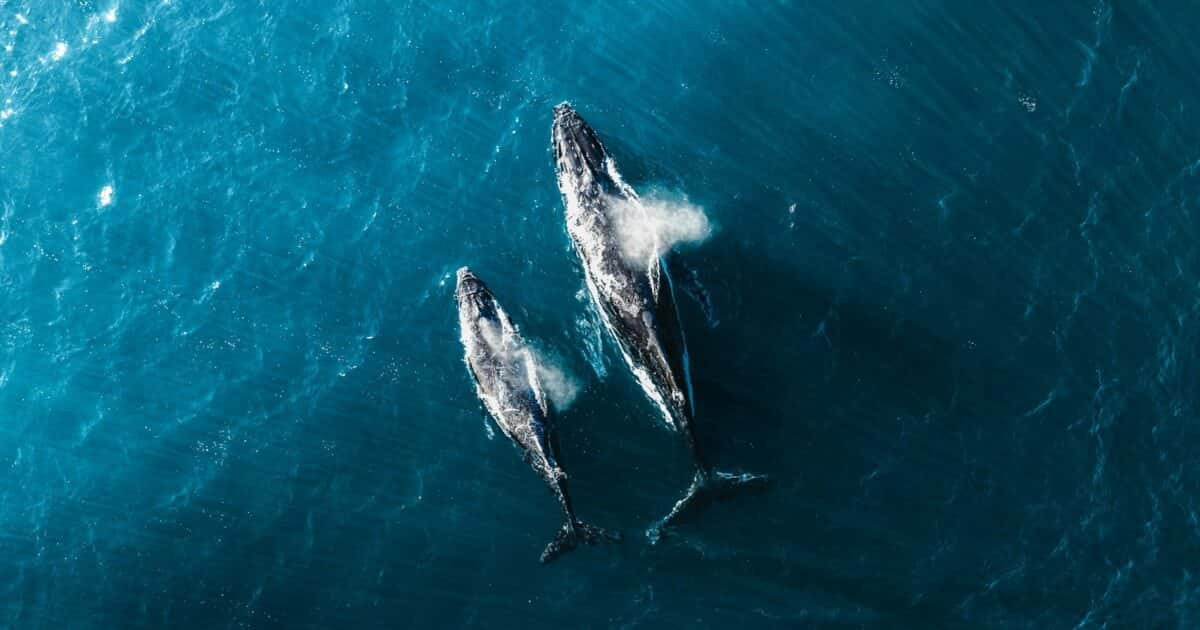
These comprehensive guidelines will support sailors, events, and federations to reduce the risk of vessel strikes to marine megafauna worldwide.
According to data collected by the Marine Strike Log, half of the reported strikes result in injury or death to the animal and often damage to vessels. Marine Megafauna in Sailing has been developed to help the sailing community better understand and manage the risks associated with marine megafauna interactions.
Co-authored by the two organisations, the document is a blueprint for integrating environmental responsibility with advanced technology and data into competitive sailing and recreational boating. It is built upon MMAG’s six-pillar strategy: Source & Share Information, Risk Assessment, Live Reporting, Technical Solutions, Education & Outreach, and Collaboration.
“The launch of these guidelines marks a pivotal moment for our sport,” said Alexandra Rickham, Sustainability Director at World Sailing. “By establishing a unified, global approach, we are ensuring a clear, consistent, and responsible application across all events and classes. This alignment is vital for the long-term health of our oceans and the integrity of sailing.”
The guidelines move beyond basic avoidance techniques, and encourages the creation of a ‘Nature Action Plan’ – the recommended protocol that events should undertake to mitigate marine biodiversity risk. The Marine Mammal Advisory Group provides a customisable Nature Action Plan template that guides events and teams through the planning needed to prepare for and evaluate the risk of marine mammal strike.
A series of practical case studies from major events, including The Ocean Race, the E1 Series, the Transat Québec Saint-Malo and the Transat CIC, as well as the IMOCA class, covering best practices that can be adapted across the sector, are also featured in the guidelines. Examples include:
A key theme throughout the guidelines is the emphasis on planning, protocols, involving stakeholders, and appropriate communication, rather than relying on a single perfect solution. The industry-wide solutions promoted focus heavily on education, understanding local species, their habitats and habits, and robust data collection.
“These guidelines are a testament to the power of multi-stakeholder collaboration, bringing together the world’s best marine scientists with the sailing community,” said Marine Mammal Advisory Group co-founder Damian Foxall. “Every sailor can be a citizen scientist. By simply reporting their live encounters through apps like Whale Alert or their onboard hazard reporting system, or historic strikes anonymously via MMAG’s Marine Strike Survey, they provide the critical data needed for scientific risk assessment and the evolution of safer sailing.”
The Marine Megafauna in Sailing guidelines are available for immediate access on the World Sailing website, as well as MMAG’s website and Intranet.
Learn more about the Marine Mammal Advisory Group and participate in the Marine Strike Survey to contribute vital data to marine conservation efforts at https://mmag.world.