December 18, 2025
2 minutes reading time

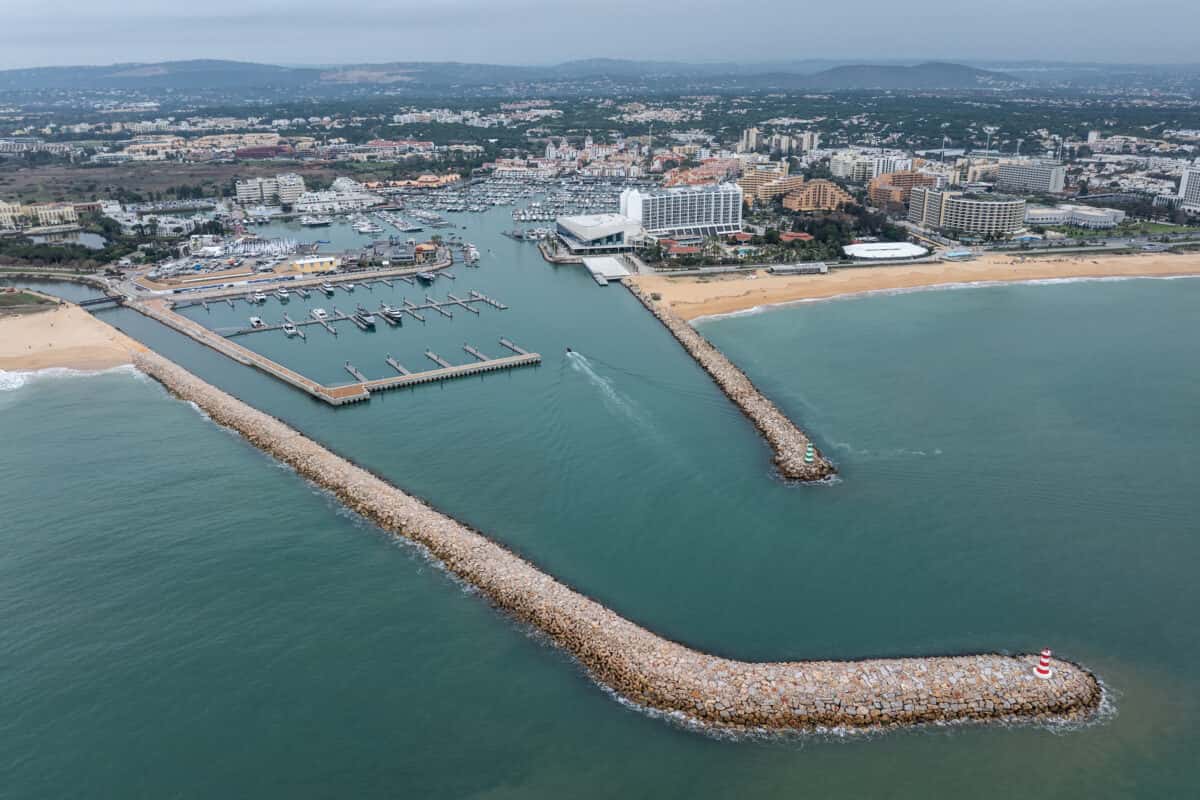
World Sailing is considered a leading international federation in sustainability and has worked closely with the local community to ensure best practice is followed on and off the water.
From reducing single use plastic waste – there is none available on site – to designated waste management bins, leaving a positive mark is at the forefront of the competition’s objectives.
Rebecca Videlo, World Sailing’s Sustainability Executive, said: “As sailors, we are really susceptible to seeing plastic pollution in the water and general waste pollution, whether that’s around the boat park or in the water we sail in.
“We want to make sure we keep our oceans and wider environment clean and healthy so we can keep sailing for the future.
“The local community are really involved in this event. We have partnered with a number of organisations here, such as the hotel just across the marina, and we are also working closely with the municipality and local waste management systems to make sure our waste is measured and recorded to help us improve our calculations for our carbon footprint, and help us look at how we can reduce that in the future as well.
“On the water, we also have electric GPS buoys in place. This is another critical area for us as it means we don’t have anchor buoys.
“We don’t have anchors dragging along the seabed – there are seagrass habitats out in Vilamoura in the bay, and by using these we are making sure we aren’t damaging the environment further with our impact.
“The other reason is that we actually have fewer race management boats out on the course, as there are fewer boats needed for marking, which helps reduce our carbon footprint as we are using less fuel.”
This has also been a Championship in which to celebrate the growing impact of female officials and coaches, as Videlo explained.
“We know sustainability isn’t just environmental, we want to make sure we leave a positive impact socially and economically,” she said.
“One area that is a big step change is that 40 per cent of our race officials are female at this event, which means we are having a much more diverse group of race officials coming through, as well as the development of female officials.
“All of our ENP coaches are also all females, which is great to provide more opportunities and show females can coach at this high-performance level.”