World Sailing Inclusion Championships explained

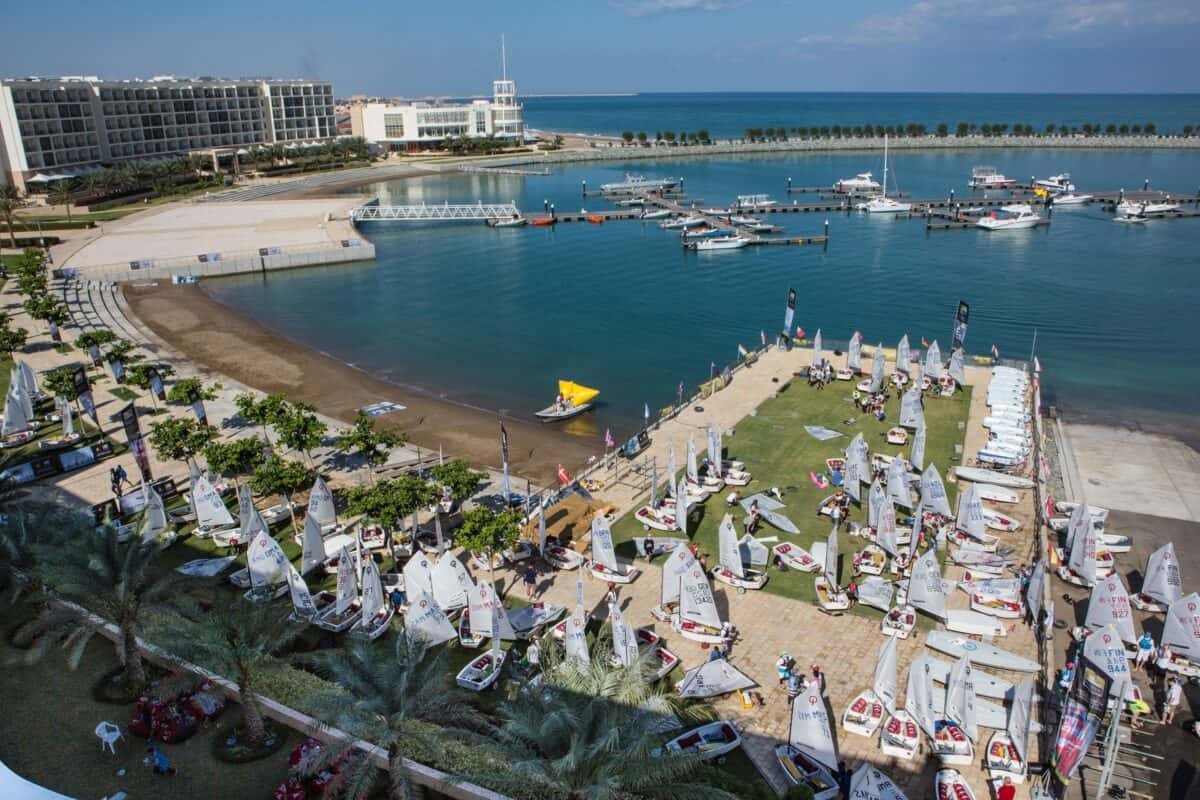
The World Sailing Inclusion Championship will make its debut this month in Mussanah, Oman, as the latest major international sailing competition in the sailing calendar, and the first of its kind designed specifically for sailors with disabilities to provide a dedicated platform for athletes to compete at an elite level.

Why Inclusion matters  

The championships celebrate ability over limitation, providing an elite racing platform where sailors who classify as Para, and those that are a part of our wider Para Inclusive community can compete with purpose, visibility, and equity. 

By integrating inclusive formats and equipment, the Championships aim to break down barriers, challenge perceptions, and set a new standard for what world-class accessible sport looks like – all while supporting the long-term goal of sailing’s reinstatement in the Paralympic Games. 

This is a new opportunity for para sailors to reach the pinnacle of the sport and aims to encourage more people to discover sailing by showcasing a clear pathway for competitive sport. 

The Classification System explained

The World Sailing Inclusion Championship uses a robust classification system to create a level playing field, meaning the best sailor wins, not just the person with the least impactful disability. 

Essentially, it keeps the spirit of competitive para sailing alive and thriving on the world stage. 

The system evaluates how a sailor’s impairment affects their ability to perform the key functions required in sailing, such as steering, sail trimming, and balancing the boat. 

Here’s how it works: 

  1. Evaluation: Athletes are assessed by a certified classification panel, which includes medical and technical experts. 
  2. Points System: Sailors are assigned a point score from 1 (most significant impairment) to 7 (least significant impairment). This score is based on factors like limb function, muscle power, and range of motion. 
  3. Team Composition: In team events, the total points of all sailors in the boat cannot exceed a specific maximum. For example, in the two-person keelboat, the combined score of both sailors must not be higher than 14. This clever rule encourages crews to be made up of sailors with varying levels of impairment. 

This system ensures that the outcome of a race is determined by skill, strategy, and teamwork, not by the degree of an athlete’s disability. 

Events at the World Sailing Inclusion Championships

The World Sailing Inclusion Championship features a variety of boat classes to accommodate different disabilities and sailing styles.  

  • Hansa 303 (Men’s and Women’s): This is a small, single-person keelboat that is very stable and easy to handle, making it ideal for sailors with a wide range of physical impairments. Sailors in this class have a classification score of 7 or less. 
  • RS Venture Connect (Open): This is a two-person keelboat designed for a crew. As mentioned, the crew’s combined classification points cannot exceed 14. This boat often features adaptive seating and control systems. 
  • ILCA 6: For athletes with intellectual impairments (Virtus, Special Olympics, or World Sailing II classification required).  
  • FarEast 28R: Blind fleet racing, open to B1, B2 and B3 Visually Impaired-classified sailors.  

Who can take part?

Anyone can compete! 

The championship is a truly global event, bringing together the best para sailors from around the world to compete for the title of world champion. 

More information about the World Sailing Inclusion Championships is available on the World Sailing website.